Types
The heater types, and what actually separates them
At 1,500 W they all produce the same heat and cost the same to run. What differs is where the heat goes, how fast it arrives and whether you can hear it.
Start hereThe single most useful comparison in this section is ceramic vs infrared, because it is the choice most buyers are actually standing in front of.
All electric space heaters are about 100% efficient, so at the same wattage every type produces the same heat for the same money. The real differences are delivery method (moving air versus radiant), warm-up time, noise, and whether the heat stays after the element cuts out.
Start by discarding the efficiency question
Type comparisons in this category almost always open with an efficiency claim, and almost all of them are wrong. Resistive electric heating has no combustion, no flue and nowhere for the energy to go except into the room. A watt is a watt. 1,500 W of ceramic, 1,500 W of infrared quartz and 1,500 W of oil-filled radiator all put 1,500 joules per second into your room and all cost the same per hour to run.
Once you accept that, the comparison gets much more interesting, because what is left is genuinely different in ways you will feel.
How the heat gets to you
Convection heats the air, and the air heats you. Ceramic and fan-forced heaters do this actively by blowing air across a hot element; oil-filled radiators and micathermic panels do it passively, by warming the air that touches them. Convection warms a whole room fairly evenly and takes time to do it.
Radiant heat skips the air entirely. Infrared quartz elements emit in the infrared band and warm surfaces and bodies directly, the way sunlight through a window warms you on a cold day without warming the room. It is close to instant and it is directional: you feel it where it points, and you stop feeling it when you move.
That distinction decides more purchases than any spec sheet. If you want to sit in one chair and be warm in ninety seconds, radiant is the answer. If you want to walk into a bedroom at 3 a.m. and not feel cold anywhere in it, convection is. The full comparison is here.
The four types, in one paragraph each
Ceramic (PTC). A ceramic element and a fan. Fast, cheap, ubiquitous, and the type most likely to come with a digital thermostat at a reasonable price. The trade is fan noise and blown air, which people with dust sensitivities notice. Full explainer, and what “fan-forced” actually names.
Infrared quartz. A quartz tube emitting radiant heat, usually with a fan to spread some of it. Instant warmth on whatever it points at, and the type that suits large or drafty spaces best because it is not trying to raise the temperature of a large volume of air. Full explainer.
Oil-filled radiator. An element inside a sealed reservoir of diathermic oil, with no fan at all. Silent, steady, and it keeps radiating after the thermostat cuts out, which makes the room temperature swing less. Slow to start and physically heavy. Full comparison.
Micathermic. A mica-sheathed panel that radiates and convects at once with no fan and about a fifth of the bulk of an oil-filled unit. Silent like a radiator, fast like a ceramic, and hot to the touch like neither should be near a toddler. Full explainer.
What none of them can do
No type escapes the 1,500 W plug-in ceiling, so no type covers more than about 150 sq ft at standard assumptions — see room sizing. And no type is safe to crowd: the 3-foot clearance rule applies to a cool-touch ceramic tower exactly as it applies to a bare quartz element, because the failure mode is what is near the heater, not what the heater is made of.
Everything in types

Comparison · Types
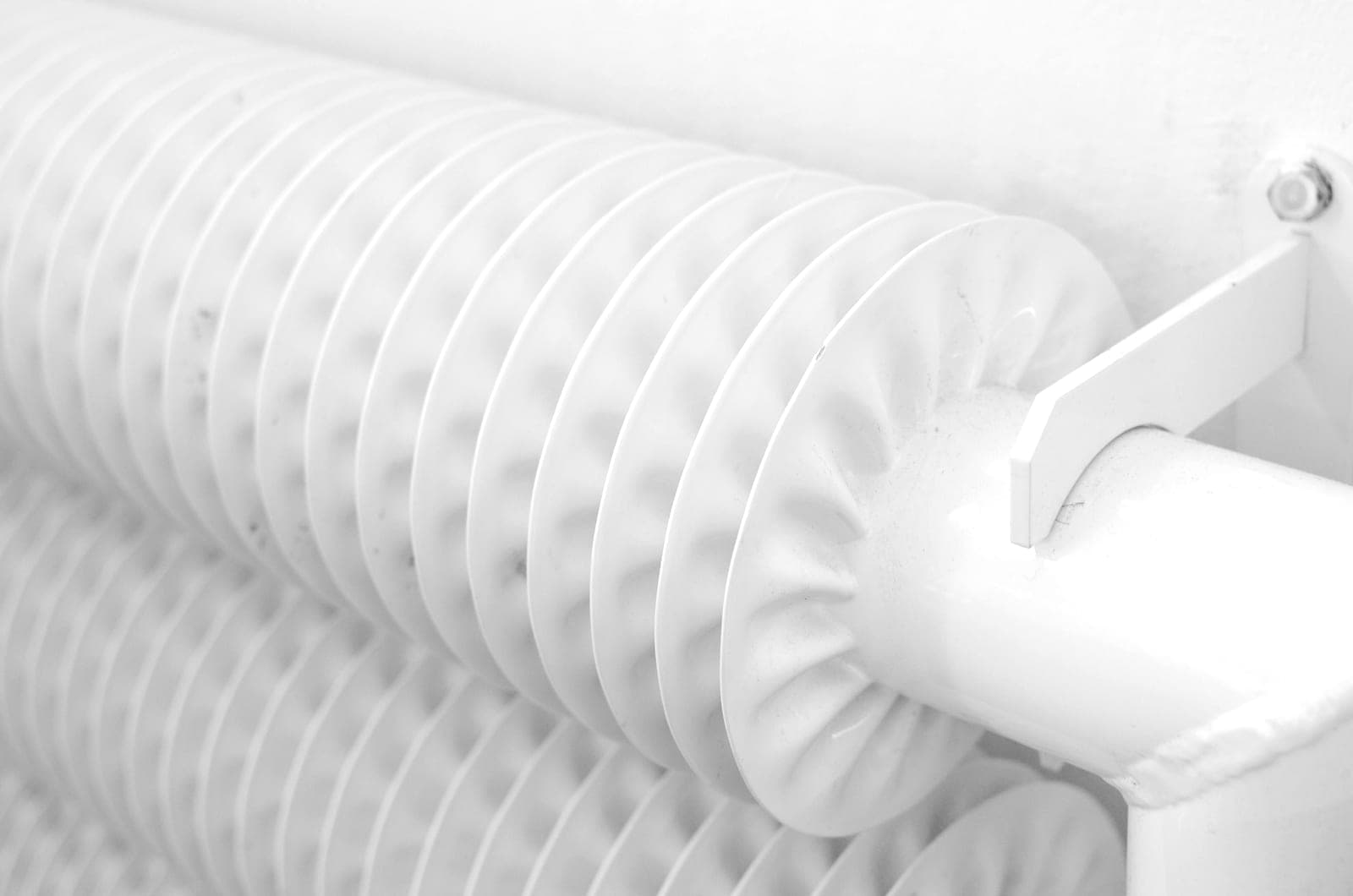
Infrared vs ceramic heaters
Ceramic heats the air, infrared heats you. Same cost, different rooms — the verdict per use case.
Comparison · Types
Space heater vs oil-filled radiator
Silent and slow against fast and audible — and what the thermal-mass argument is really worth.

Comparison · Types
Convection vs radiant heating
Heating the air versus heating the things in it — the distinction under every other comparison.
Comparison · Types
Infrared vs oil-filled heaters
Near-instant directional warmth against slow, silent, room-wide steadiness. Same running cost, opposite failure modes.
Type · Ceramic
Ceramic space heaters explained
How a PTC element self-limits its temperature, and which rooms ceramic heaters actually suit.

Type · Infrared
Infrared space heaters explained
Heats you rather than the room — excellent where every other type struggles, and the shadowing problem.
Type · Micathermic
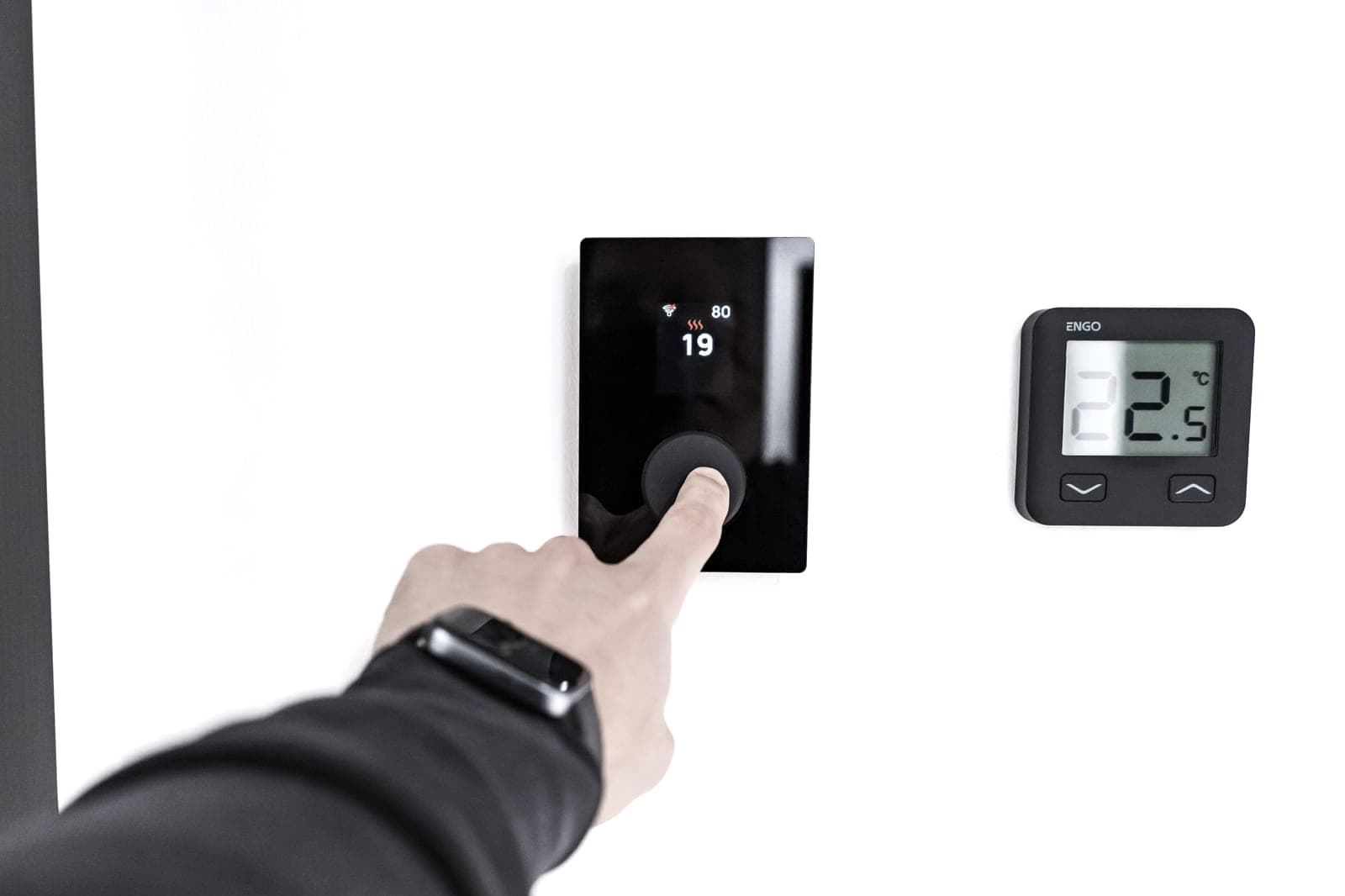
What is a micathermic heater?
Silent like a radiator, fast like a ceramic, three inches thick — the least-known type here.
Type · Fan-forced
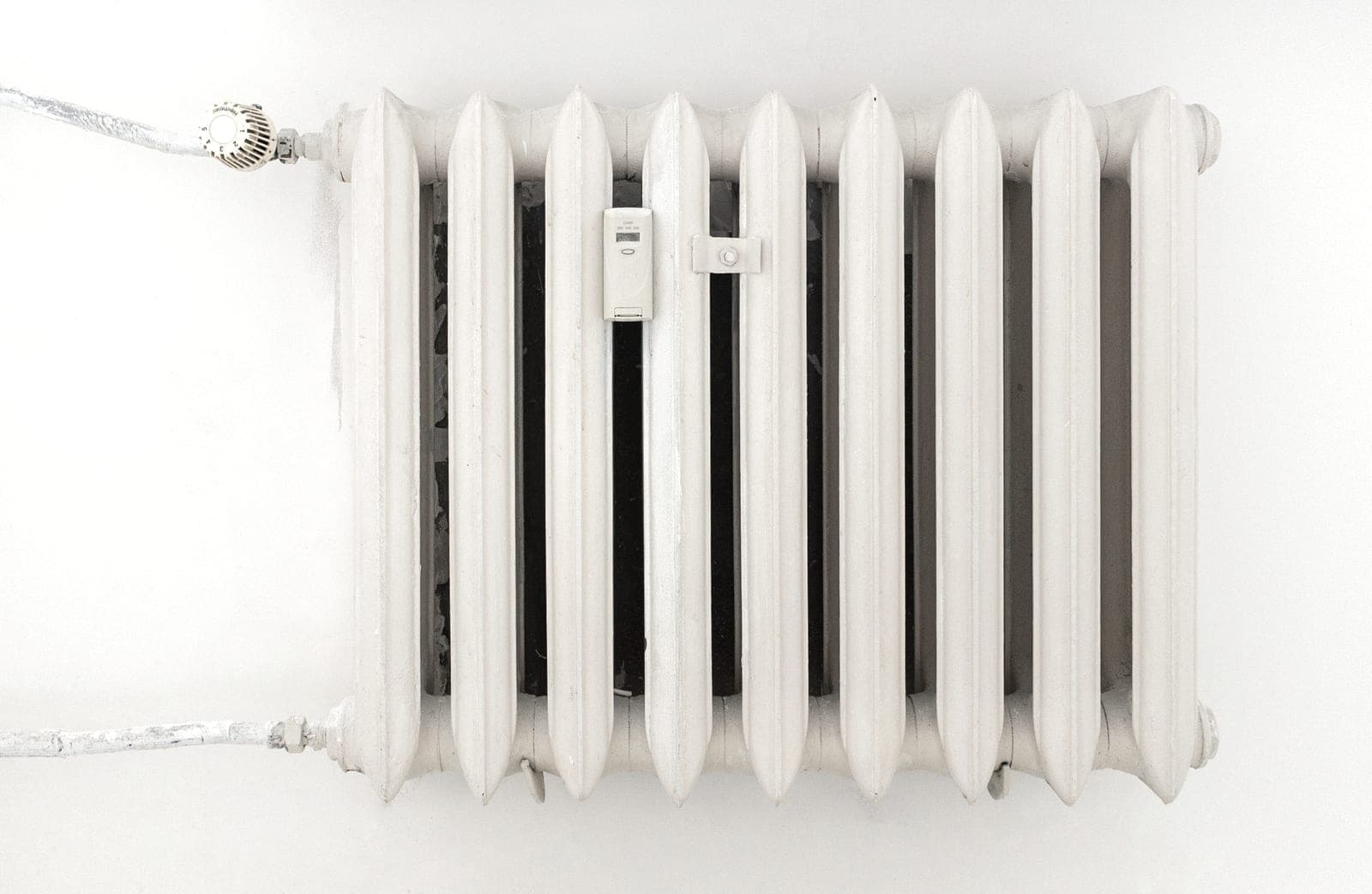
Fan heaters explained
An element and a fan — the fastest and cheapest design, and the one you will hear.
Questions people actually ask
Is infrared or ceramic better?
Neither is better in general. Infrared heats you and nearby surfaces almost instantly and suits large, drafty or intermittently occupied spaces. Ceramic heats the air and suits enclosed rooms you want uniformly warm. At the same wattage they cost the same to run.
Which type of space heater is most efficient?
All of them, equally. Resistive electric heaters convert essentially 100% of their input electricity into heat, so type does not change efficiency. Only a heat pump beats that, because it moves heat rather than making it.
Are oil-filled radiators cheaper to run?
Not per hour — a 1,500 W oil-filled radiator costs exactly the same as any other 1,500 W heater. They can cost less over an evening because the oil keeps radiating after the element cuts out, so the thermostat cycles less often.
What is a micathermic heater?
A heater whose element is sheathed in sheets of mica, a mineral that radiates heat efficiently. It combines radiant and convection heating with no fan, in a panel a few inches thick that can be wall-mounted.
The other sections
- Room Size
Square feet to watts, with the insulation and ceiling-height corrections the rule of thumb leaves out.
- Running Cost
Cost per hour, per day and per month — computed from your wattage and a published electricity rate.
- Safety
Federal fire statistics with citations, the UL and ETL marks explained, and the circuit math nobody publishes.
- Best Heaters
Roundups organized by room — large, small, bedroom, basement, garage, nursery — each with the math behind the pick.
- Reviews
Model write-ups from published specs: computed cost per hour, circuit load, coverage and certification status.