Reviews
Space heater reviews, built from published specifications
We have not tested these units. What we have done is read the specifications, compute what they draw and what they cost, and show every number.
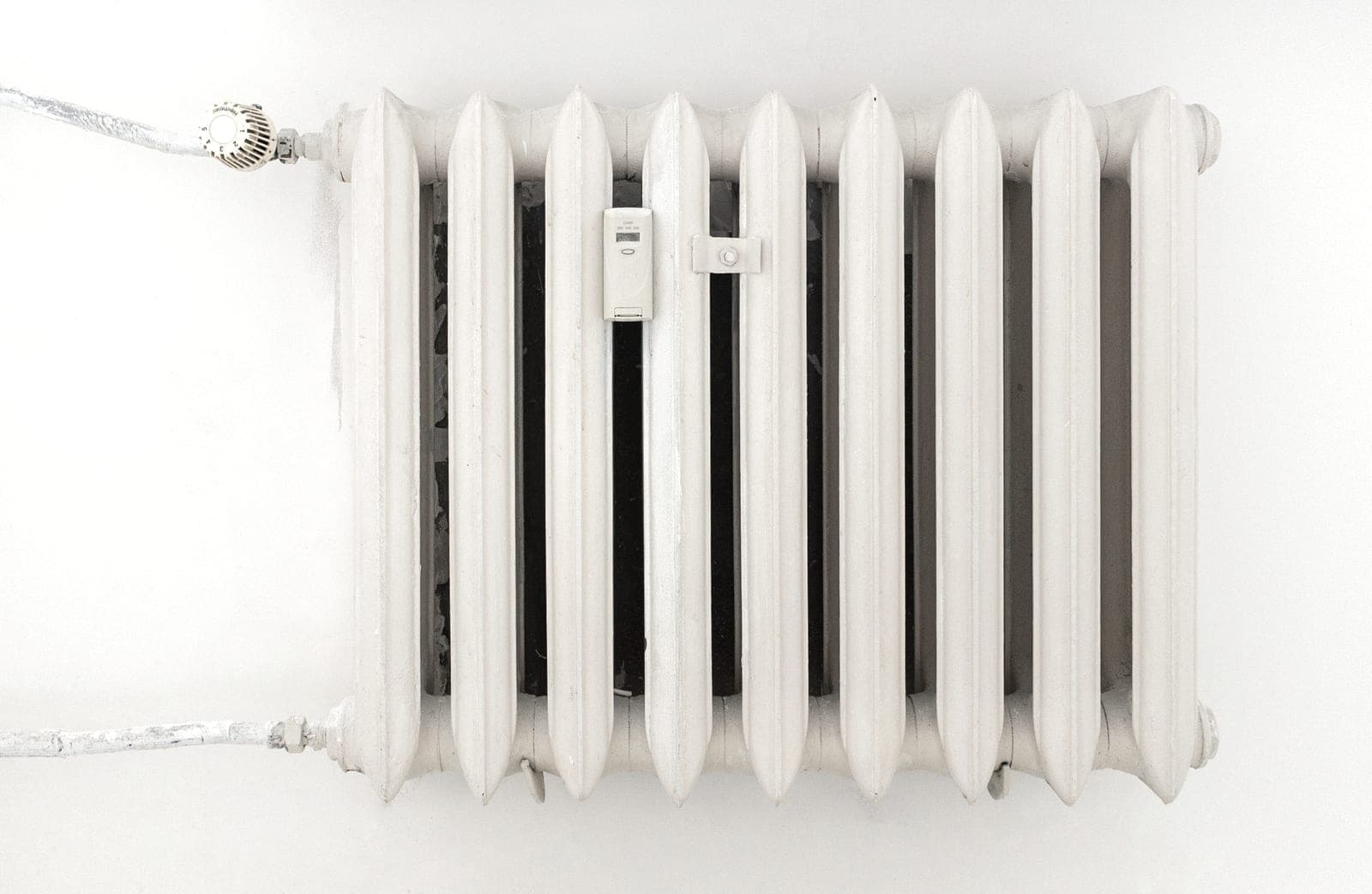
Start hereBefore any individual review, read how we pick. It is the page that tells you exactly what a review on this site is and is not.
Every review here is compiled from the manufacturer's published specifications and the live retail listing, with running cost, current draw and room coverage computed from the rated wattage. No unit on this site has been tested by us, and each review says so.
What a review here contains, and what it does not
Every competitor ranking for these terms pairs the word “best” with a testing claim — lab-tested, expert-tested, tried and tested. We cannot honestly make that claim, so we do not make it, and we are not going to imply it with a score out of ten either.
What each review does contain: the published rated wattage and, where the maker publishes one, the low setting. The current draw computed from that wattage, and whether it fits a 15 A or 20 A circuit as a continuous load. The room size that wattage covers at 10 W per square foot, with the insulation and ceiling corrections stated. The cost per hour, per eight-hour night and per month at a published electricity rate with a date on it. The safety listing the manufacturer publishes — or a plain statement that none is published and you should check the rating plate. A full specification table with a source for every line. And a paragraph on what the unit is not for.
What no review here contains: a star rating from us, a claim about how it performed in a room we do not have, a durability judgment we could not have formed, or a price typed into the page. Prices come from the live retail layer or the page says “check price” and links you to the listing.
Where these units came from
The models covered here are the ones that ranking publishers currently recommend and that are actually purchasable on Amazon right now. Every ASIN referenced on this site was read off a live Amazon detail page during the build; where a listing could not be confirmed, the buy link is a search rather than a pinned page, because a dead link is worse than an extra click.
The reviews deliberately span all four heater types, because the type you need is decided by the room, not by a ranking. There is a ceramic tower, a fan-forced vortex unit, an oil-filled radiator, an infrared cabinet and a wall-mounted infrared panel — and each one is genuinely the wrong answer for some of the others' rooms, which every write-up says outright. At the two ends of the range sit a hardwired 7,500 W garage unit and a silent digital radiator with a child lock, which between them cover the two rooms a plug-in ceramic heater cannot.
Reading a review against your own room
A review is only meaningful relative to a room and an electricity rate. Before you read one, work out the wattage your room needs on the sizing calculator, and check what an hour costs at your rate on the cost calculator. Then the specification table stops being a list and starts being an answer.
Everything in reviews
Head-to-head · Brands
Dreo vs Vornado
Published numbers against a five-year warranty. Two philosophies of selling a heater, compared honestly.
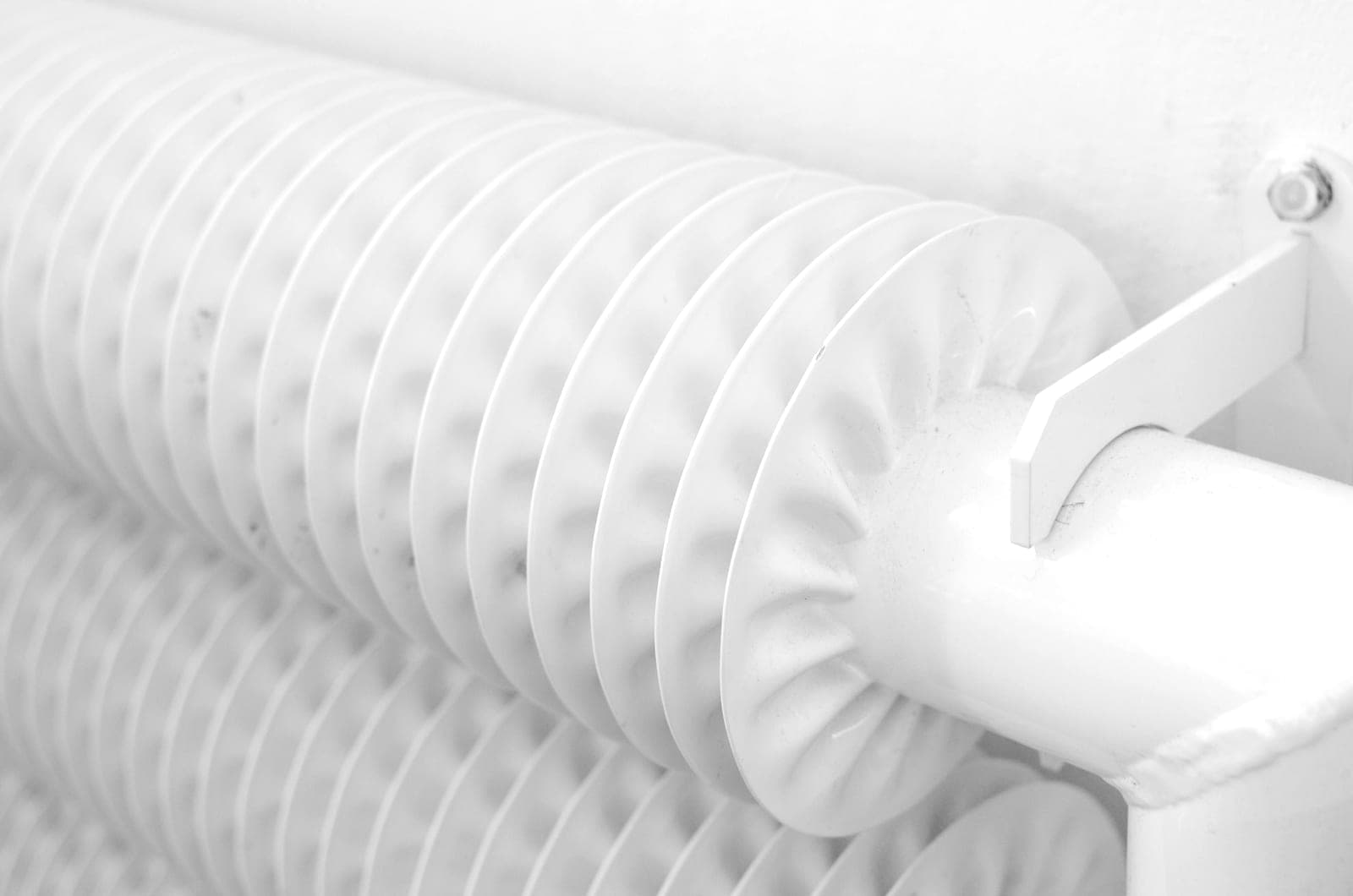
Head-to-head · Pelonis
Pelonis oil-filled radiators compared
Two real models, six near-identical listings, no model numbers in the titles — and one radiator listed twice at different prices.
Head-to-head · Dreo
Dreo wall heaters compared
WH719S sweeps, WH517S publishes 28 dB and IP24. Both schedule from the app; neither names a listing mark.

Head-to-head · Brands
Dreo vs Lasko
Dreo has the better feature list and a 300 sq ft claim. Lasko has fewer features and a 150 sq ft claim that checks out.

Comparison · Lasko vs Vornado
Lasko vs Vornado
Lasko publishes wattage, coverage and ETL, and backs it 3 years. Vornado publishes none of those and backs it 5.

Comparison · Lasko towers
Lasko tower heaters compared
755320 vs 751320 vs Ellipse CT18950 — and why you cannot get the safety hardware and the ETL mark in one unit.
Review · Ceramic tower
Dreo Solaris 718 review
1,500 W, a published 300 sq ft claim that survives the arithmetic, and a thermostat with numbers.
Review · Tabletop ceramic
Lasko Ellipse CD12950 review
A tabletop 1,500 W that publishes a child lock and a tip-over switch — the two features usually missing.
Review · Fan-forced
Vornado VH200 review
Cool-touch, tip-over cutoff and a 5-year warranty — plus a maker that publishes settings, not specs.
Review · Oil-filled radiator
De'Longhi TRD40615T review
1,500 W, silent, a 24-hour timer and sealed diathermic oil — the bedroom answer, with real caveats.

Review · Infrared cabinet
Dr Infrared Heater DR-968 review
The only listing here publishing amps and decibels — 12.5 A and 39 dB, both stated.
Review · Wall-mounted infrared
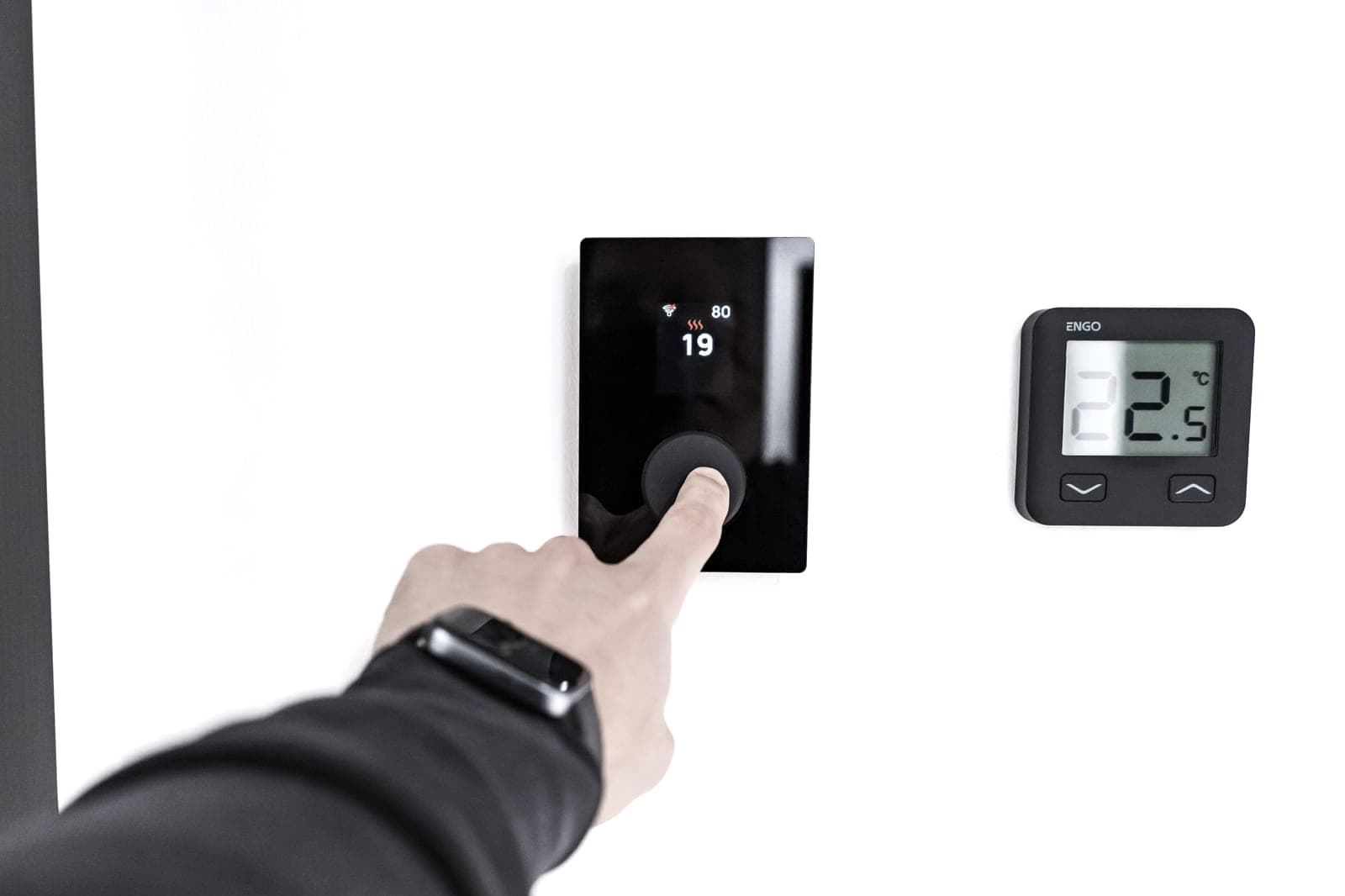
Heat Storm HS-1500-PHX-WIFI review
Wall-mounted infrared with Wi-Fi scheduling and a BTU figure that matches its wattage exactly.

Review · Purifier, heater and fan
Dyson Purifier Hot+Cool HP1 review
1,500 W in the US, not the 2,250 W UK coverage quotes — and what that changes about the room it heats.
Review · Compact ceramic
Honeywell HCE200W UberHeat review
Shoebox-sized, 1,500 W, with a published tip-over cutoff — and a dial you cannot set to a number.
Review · Ceramic tower
Lasko 5586 ceramic tower heater review
Digital thermostat, 8-hour timer and a 3-year warranty at the budget end — and no child lock.
Review · Metal fan-forced
Vornado VMHi600 metal heater review
Cool-touch metal cabinet, both cutoffs published, digital thermostat and a 1-12 hour timer.
Review · Micathermic panel
De'Longhi HMP1500 mica panel heater review
Fanless, wall-mountable, 1,500 W / 750 W, with a frost mode that holds a room above 41°F.
Review · Metal fan-forced
Vornado VMHi500 metal heater review
Auto-climate control, two LED displays, a 1-12 hour timer and five years — in a cool-touch metal box.
Review · Compact ceramic
Honeywell HCE220B UberHeat Plus review
Four preset temperatures, a 2/4/8-hour auto-off and two overheat mechanisms, in a 2.8 lb body.
Review · Ceramic tower
Lasko 755320 ceramic tower heater review
900-1,500 W, digital thermostat, 8-hour timer, ETL listed — and a 150 sq ft claim that matches the math exactly.
Review · 240 V unit heater
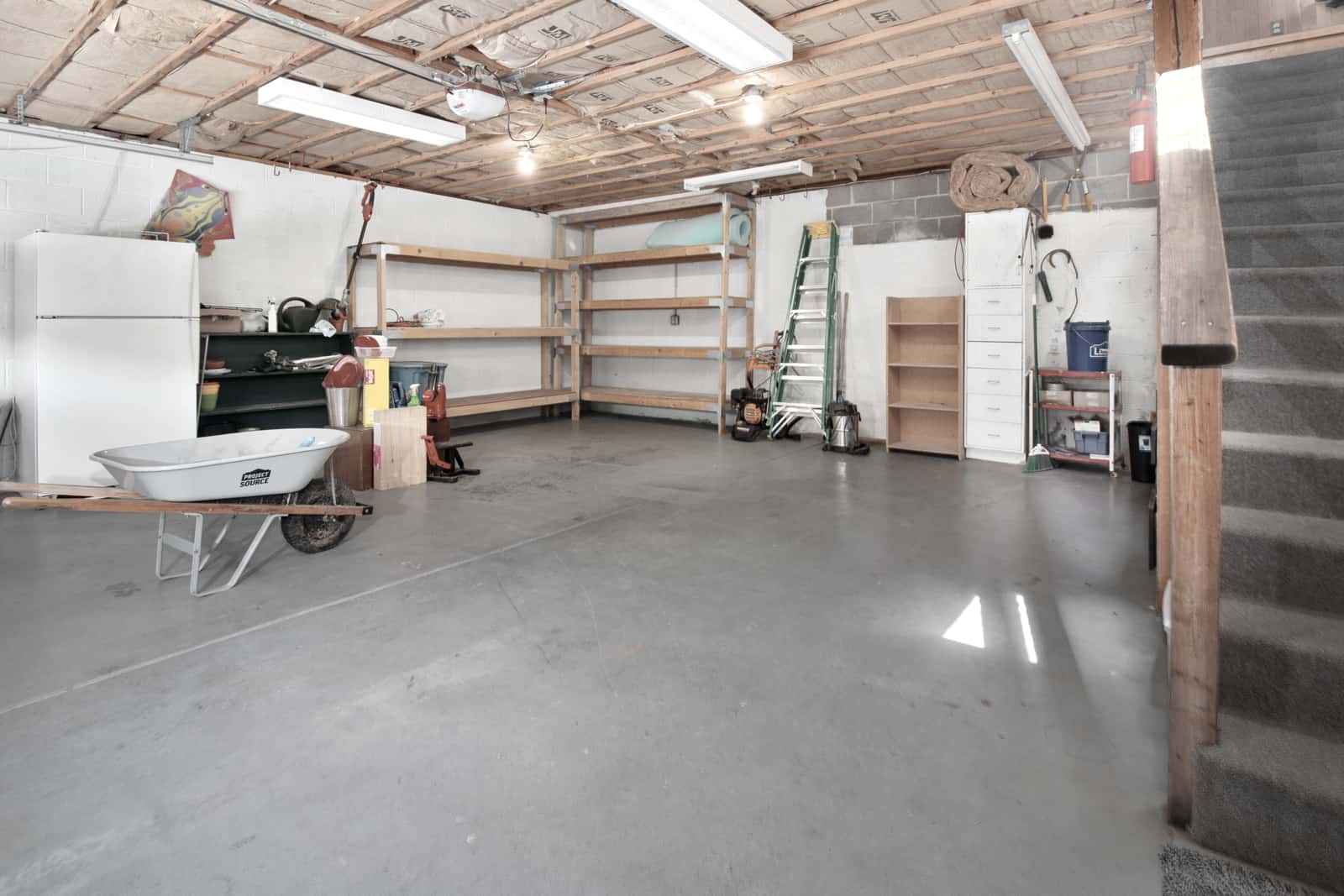
Fahrenheat FUH54 garage heater review
5,000 W of real garage heat — and the 26.1 A figure in every listing is the circuit rating, not the draw.
Review · 240 V unit heater
Comfort Zone CZ230ER review
7,500 W for less than the 5,000 W units cost, with a manual that publishes draw, breaker and wire gauge separately.
Review · Oil-filled radiator
De'Longhi Dragon Digital review
Same heat as the mechanical TRD40615T for a modest premium. What the money buys is a child lock and a digital panel.
Questions people actually ask
Do you test the heaters you review?
No. We compile published manufacturer specifications, compute the electrical load and running cost from the rated wattage, and verify the safety listing where one is published. Every review states this. We would rather publish a smaller true claim than a larger unverifiable one.
Why is there no score out of ten?
A numeric score implies an evaluation. We have not evaluated these units in a room, so a score would be a number we made up. The specification table, the computed figures and the explicit “not for” paragraph carry the judgment instead.
How current are these reviews?
Each carries a published and a last-reviewed date. Specifications are re-checked when a manufacturer revises them, prices come from a live layer refreshed daily, and the electricity rate behind every cost figure is refreshed quarterly against EIA data.
The other sections
- Room Size
Square feet to watts, with the insulation and ceiling-height corrections the rule of thumb leaves out.
- Running Cost
Cost per hour, per day and per month — computed from your wattage and a published electricity rate.
- Safety
Federal fire statistics with citations, the UL and ETL marks explained, and the circuit math nobody publishes.
- Types
Ceramic, infrared, oil-filled and micathermic — what genuinely differs once you accept the cost is identical.
- Best Heaters
Roundups organized by room — large, small, bedroom, basement, garage, nursery — each with the math behind the pick.