Picks
Best space heaters, by the room they fit
Every pick on this site carries the wattage it draws, the room size that wattage covers, and what it costs to run. Every roundup also names something to skip.

Start hereDo not start here. Start at room size, find your wattage, and come back — a pick you have not sized is a guess with a price tag.
There is no single best space heater, because every plug-in heater is capped at 1,500 W and they all produce identical heat. The pick that is right for you is decided by the room's size, whether you need silence, and whether the unit needs a tip-over cutoff and a child lock.
How to read a roundup on this site
Every roundup here opens with a quick-picks table, and every row in that table carries the same four things: what the unit is best for, its rated wattage, the room size that wattage covers at our stated assumptions, and a link to check the current price. Below the table, each pick gets a full write-up with published specifications, an explicit “not for” paragraph, and the sources those specs came from.
What you will not find is a score out of ten. We have not tested these units and a numeric rating would imply an evaluation we did not perform. What we have done is compile the manufacturer's published figures, compute the electrical load and the running cost, check whether a safety listing is published, and say plainly where a listing does not publish one.
The uncomfortable thing about “best”
In most product categories, the premium option is meaningfully better than the budget one. In this category it largely is not, and pretending otherwise would be the easiest way for us to make money and the fastest way to deserve none of it.
A $40 ceramic tower and a $600 designer unit both draw 1,500 W from the same outlet and both put the same heat into the same room at the same cost per hour. The premium buys build quality, control precision, quietness, warranty, and in some cases a second appliance entirely — but it does not buy heat. If your problem is that a room is cold, the cheapest correctly sized heater with a working thermostat and a tip-over cutoff solves it as completely as anything on the market.
What is genuinely worth paying for, in rough order: a digital thermostat with numbers on it (a dial you cannot set to 68°F wastes money every night), a timer (the only honest answer to overnight running), a tip-over cutoff and child lock if there are children or animals, and silence if the heater lives in a bedroom.
Start from your room
- A whole living room, 250–400 sq ft: best for large rooms — and read the two-heater arithmetic there first.
- A bedroom, office or nursery under about 150 sq ft: best for small rooms, best for a bedroom, best for a nursery.
- Somewhere that is not part of the heated house: basement and garage. The garage answer is not a plug-in heater and we explain why.
- Specific requirements: the safest picks, the quietest, for a home office, the lowest-draw ones, and the ones that will genuinely cost you least.
- No idea where to start: how to choose a space heater — six decisions in the order they have to happen, ending in one pick per situation.
Every roundup links back to the sizing calculator and the cost calculator, because a pick is only correct relative to a room and a rate. And every one of them is funded by affiliate commission, which is disclosed in full here — picks are selected before links are attached, which is why the skip entries exist.
Everything in best heaters
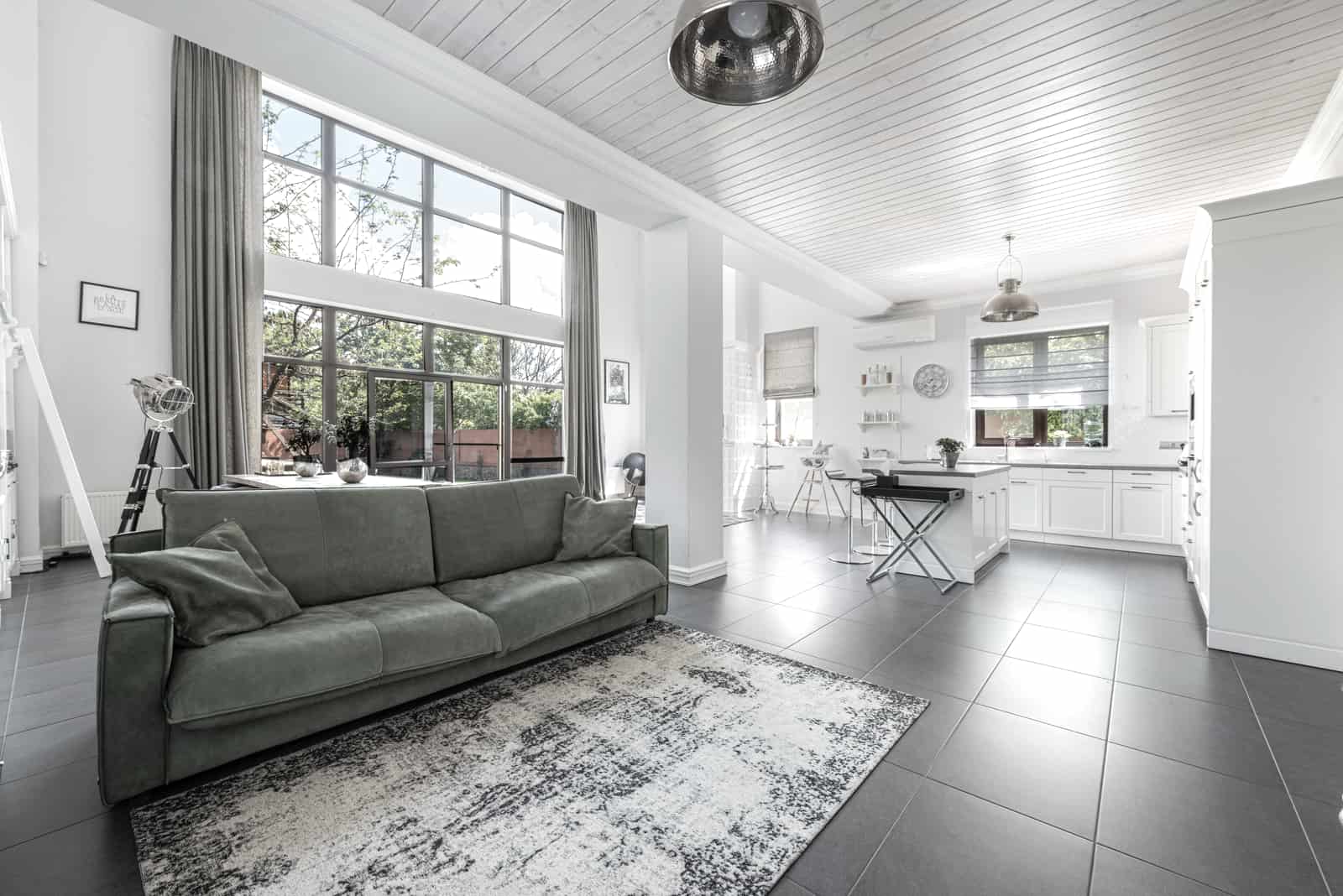
Roundup · Large rooms
Best space heaters for large rooms
The four units that get closest to a 300 sq ft room — and the two-heater arithmetic nobody publishes.

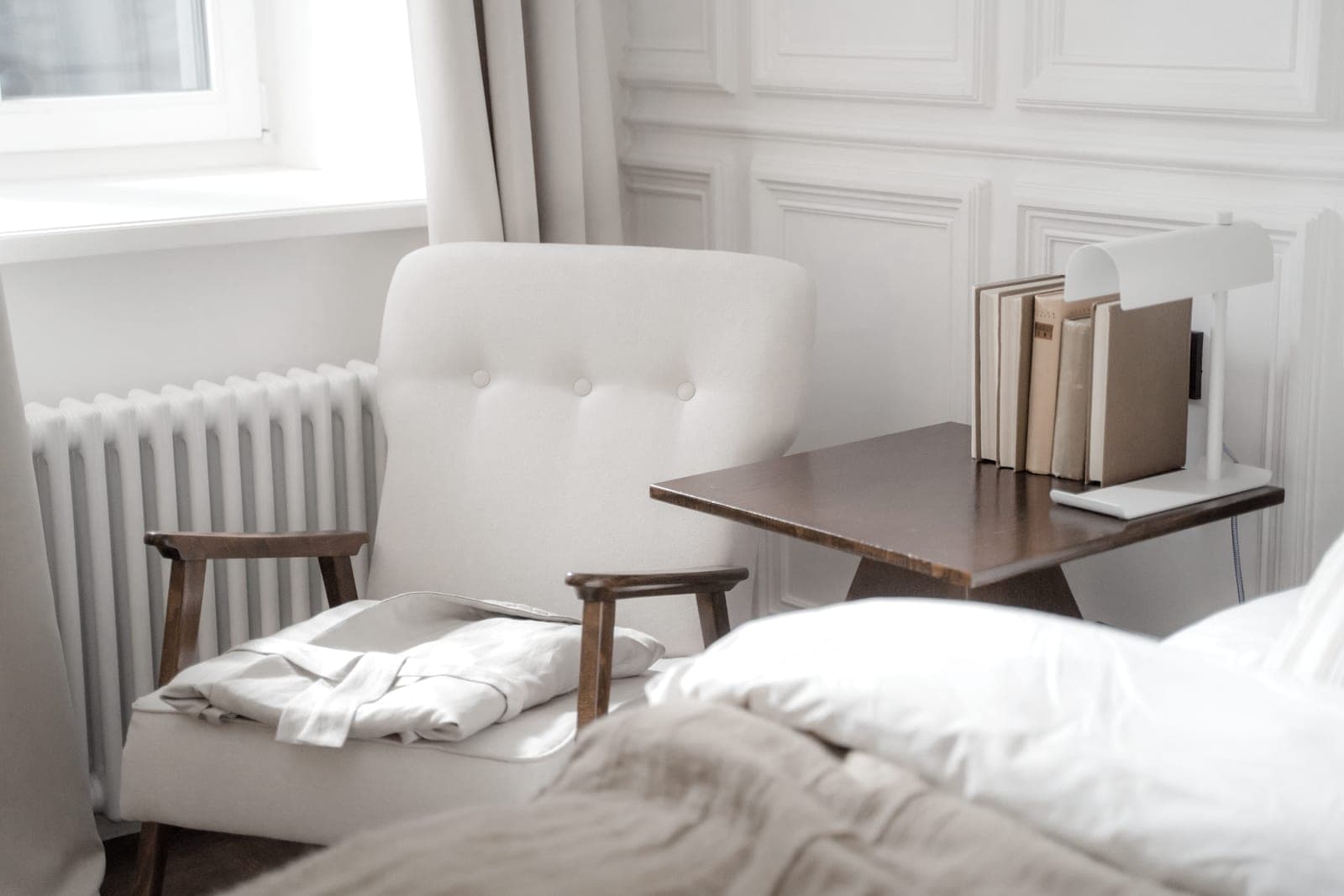
Roundup · Small rooms
Best small space heaters
For rooms under 150 sq ft, where 1,500 W is oversized and the thermostat is what actually matters.
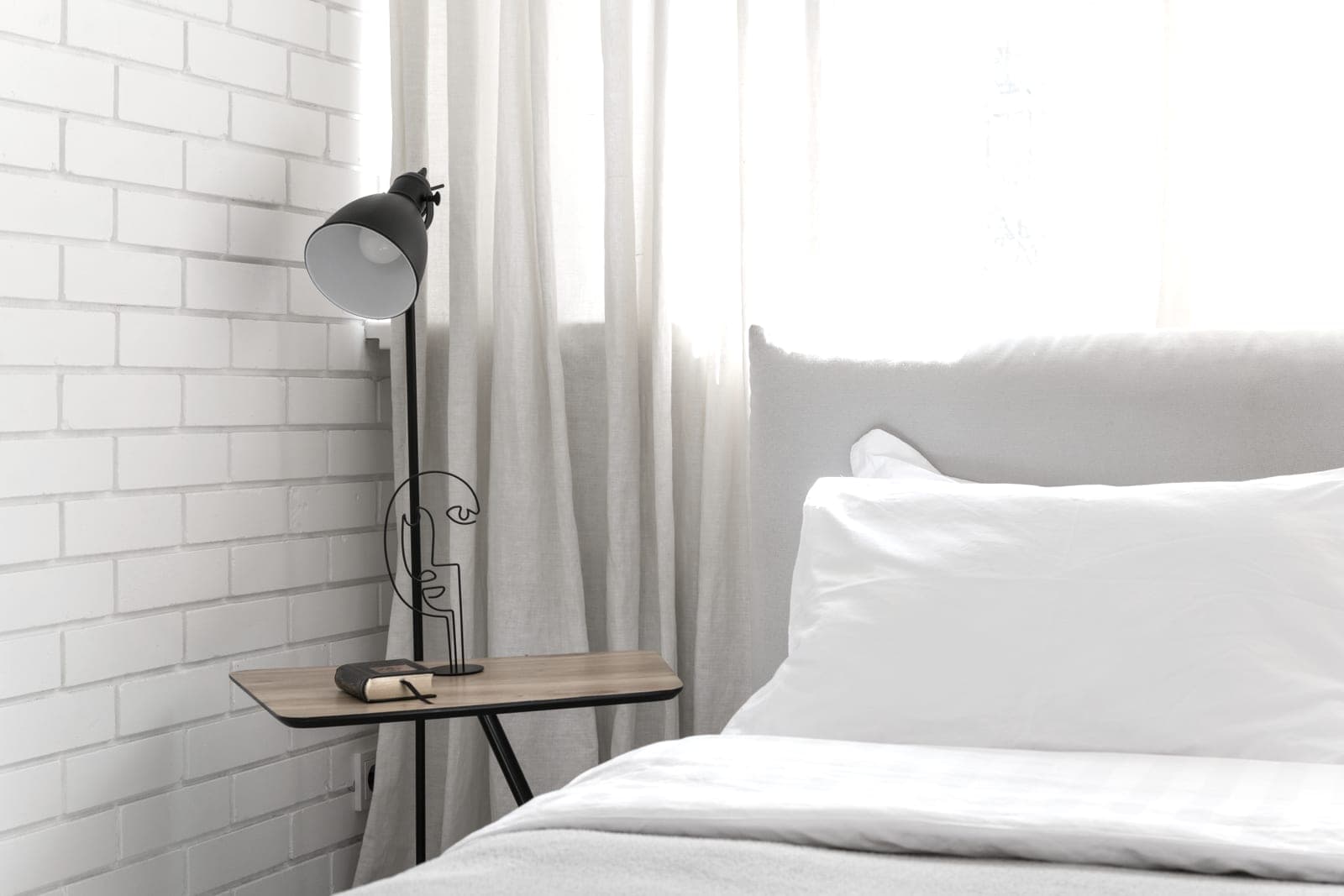
Roundup · Bedroom
Best space heaters for a bedroom
Silent, timed and safe overnight — the units that solve the bedroom's three actual problems.
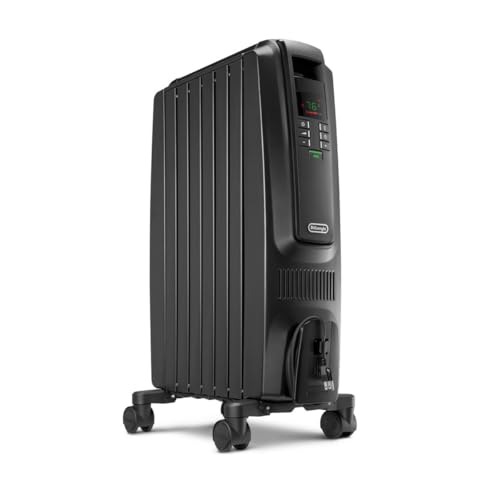
Roundup · Basement
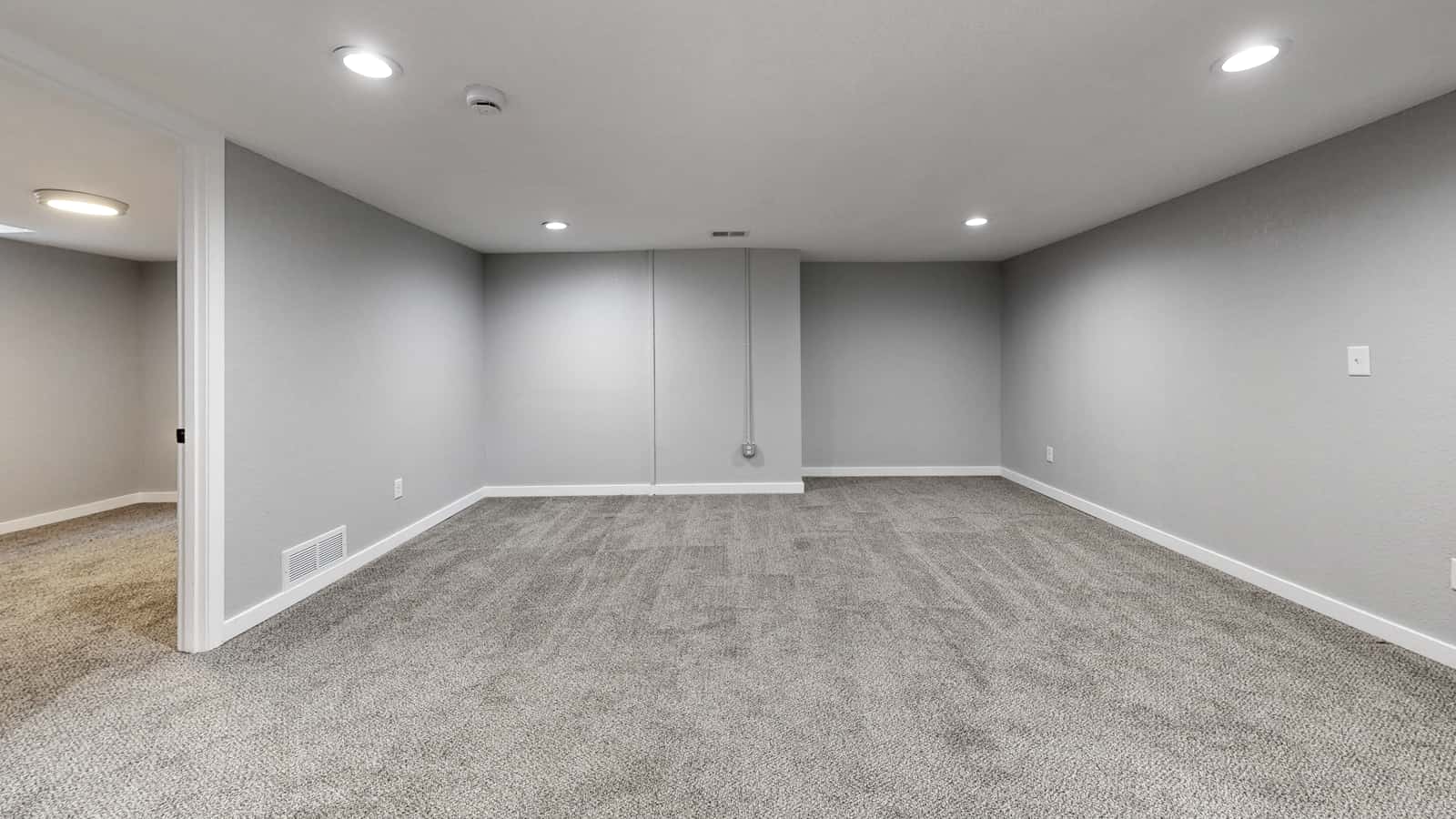
Best space heaters for a basement
Why the sizing rule under-sizes a basement by half, and the units that suit cold, below-grade space.
Roundup · Garage
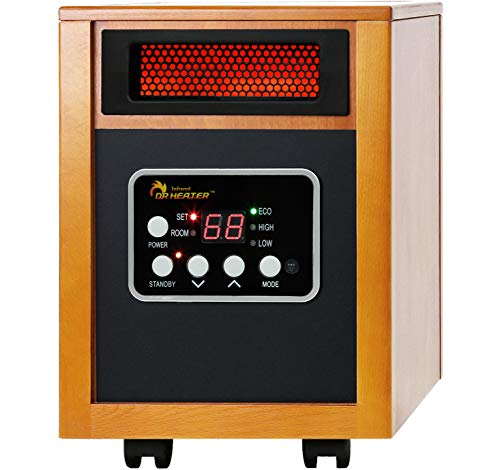
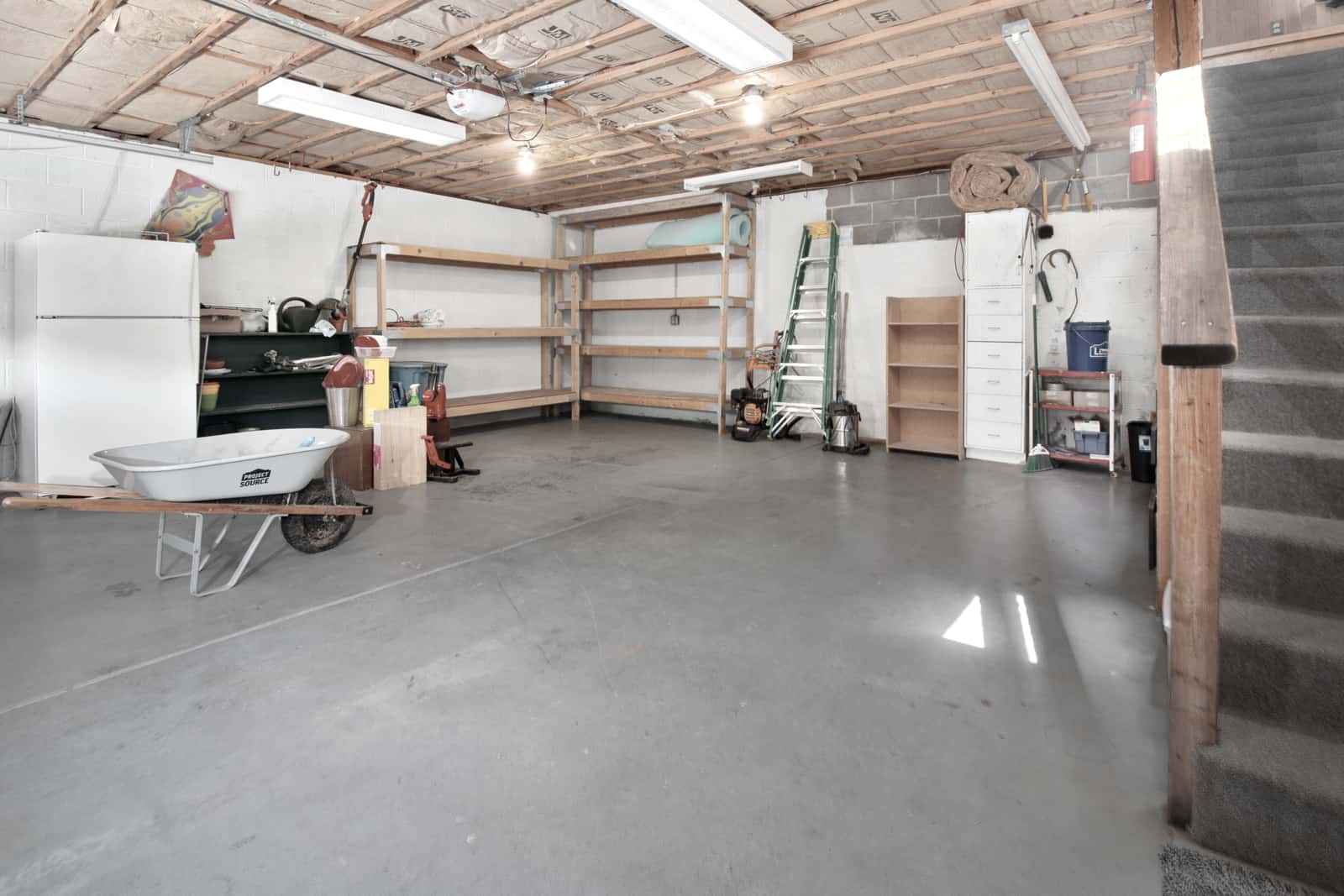
Best space heaters for a garage
A two-car garage needs about 9,000 W. An outlet gives you 1,500. What to do instead.


Roundup · Safety
The safest space heaters, feature by feature
Tip-over, overheat, child lock, cool-touch, wall mounting — what each mechanism actually prevents.

Roundup · Quiet
The quietest space heaters
Silent by design, not by adjective — the fanless types, plus the one unit that publishes a dB figure.

Roundup · Office
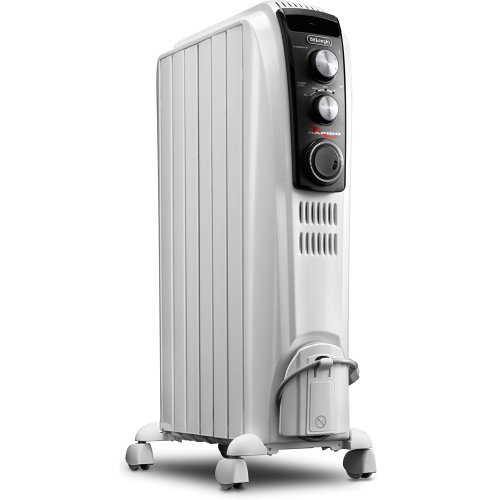
Best space heaters for a home office
Desk-side picks with a low setting, plus the circuit-load problem an office heater creates.

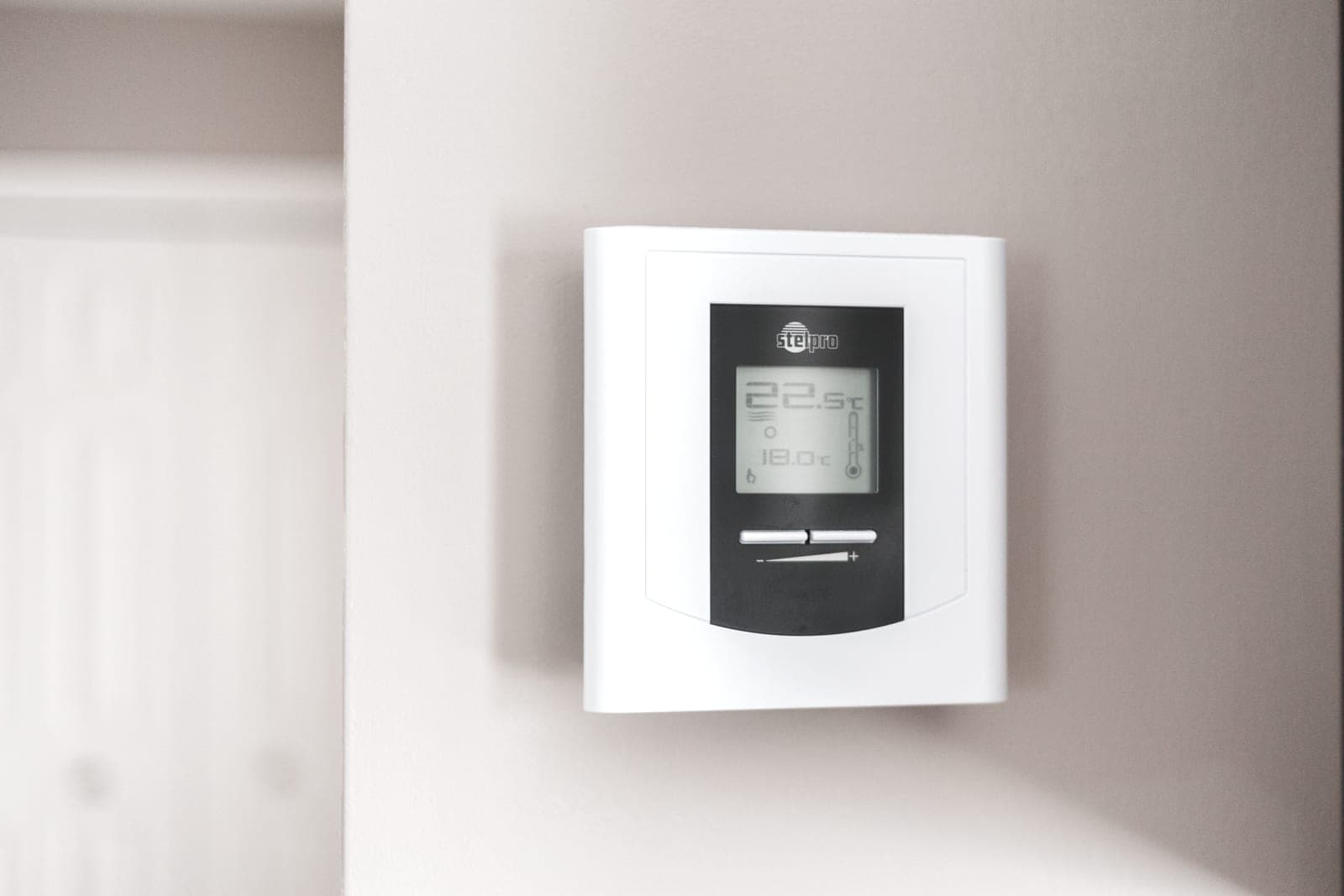
Roundup · Efficiency
The most energy-efficient space heaters
All electric heaters are 100% efficient. These are picked on the three things that actually cut the bill.

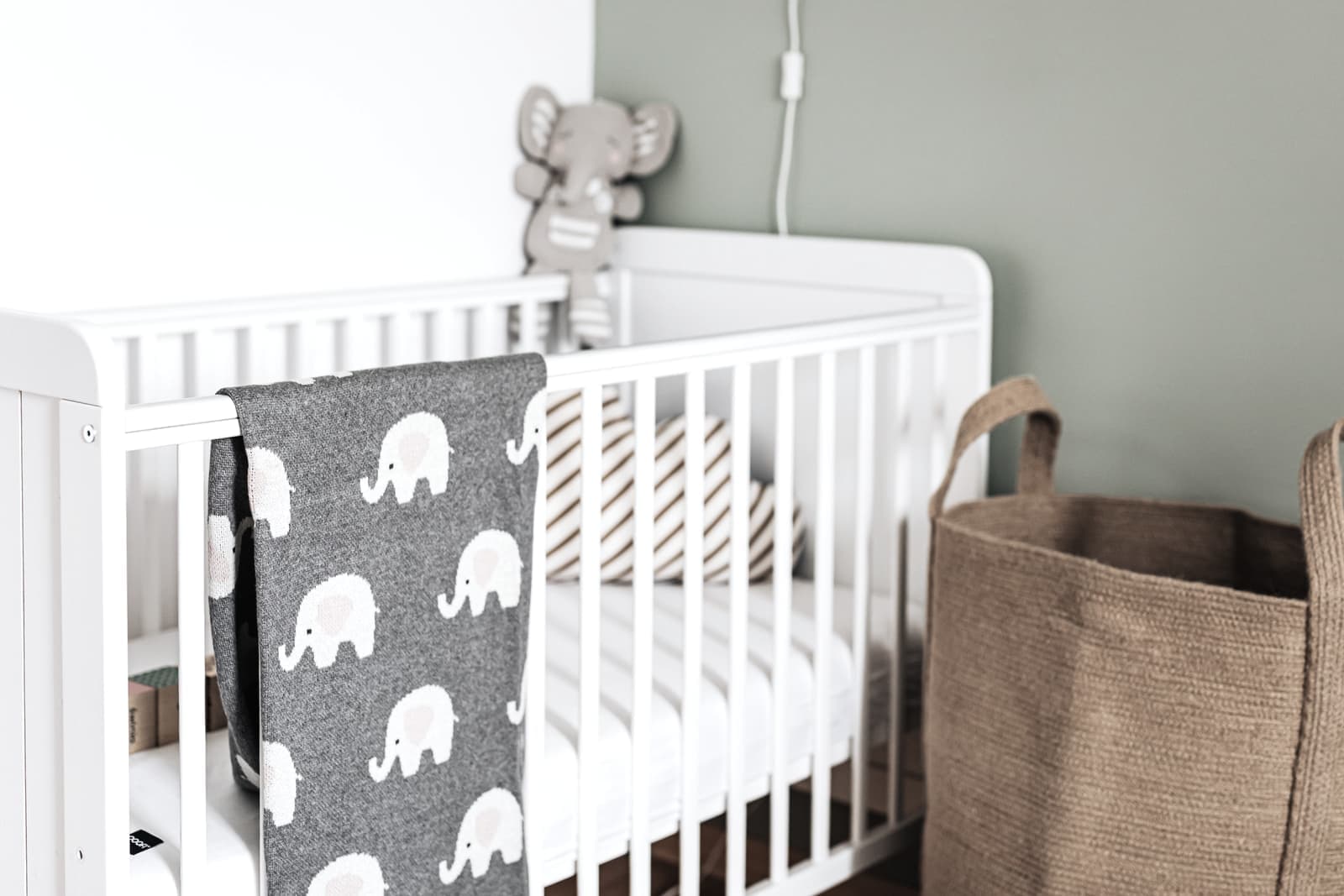
Roundup · Nursery
Safest space heaters for a nursery
Child lock, tip-over cutoff and cool-touch — the three published features a nursery heater must have.
Roundup · RV
Best space heaters for an RV
A 1,500 W heater is half a 30 A pedestal. The amp arithmetic first, then the units with a real low setting.
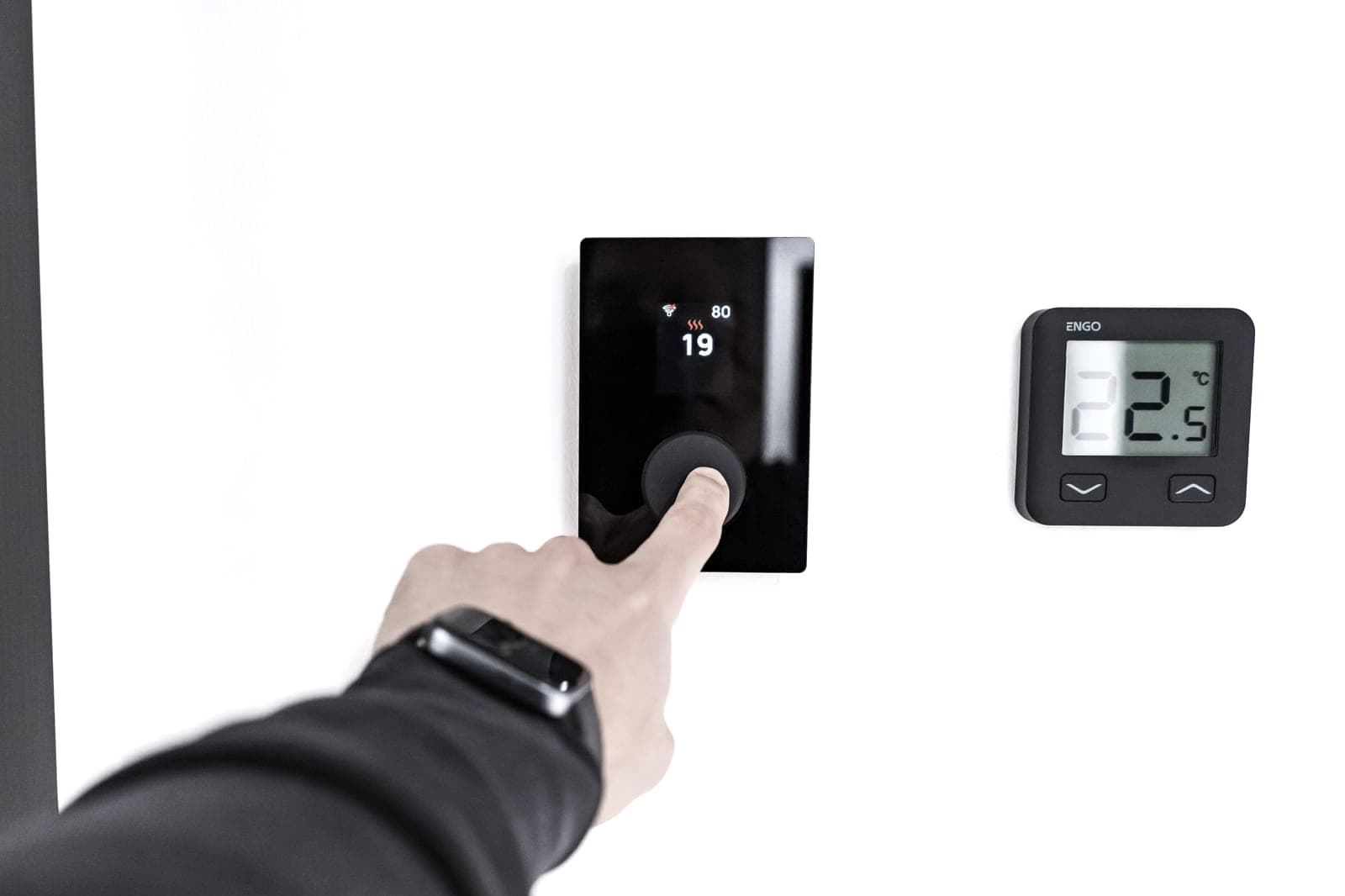
Roundup · Wall-mounted
Best wall-mounted space heaters
Mounting deletes tipping, floor clearance, cord routing and child reach. Plug-in panels and one hardwired unit.


Roundup · Bathroom
Best space heaters for a bathroom
Fast heat, no floor space, and the one room where where you plug in genuinely matters.
Roundup · Pets
Best pet-safe space heaters
Cool-touch shell, published tip-over cutoff, stable footprint — and the type to avoid entirely.
Roundup · Desk
Best desk and under-desk heaters
A desk does not need a room heater. 170 W of radiant panel against 1,500 W — the arithmetic and the picks.
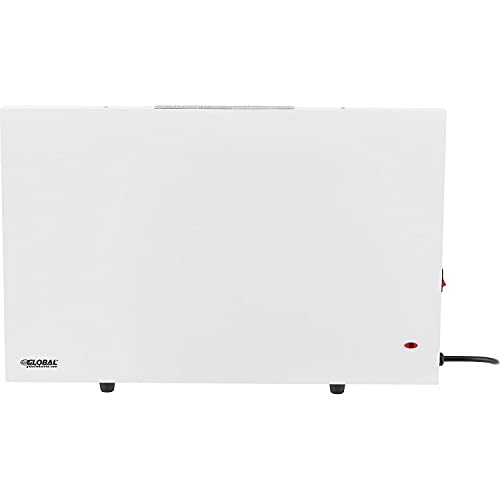
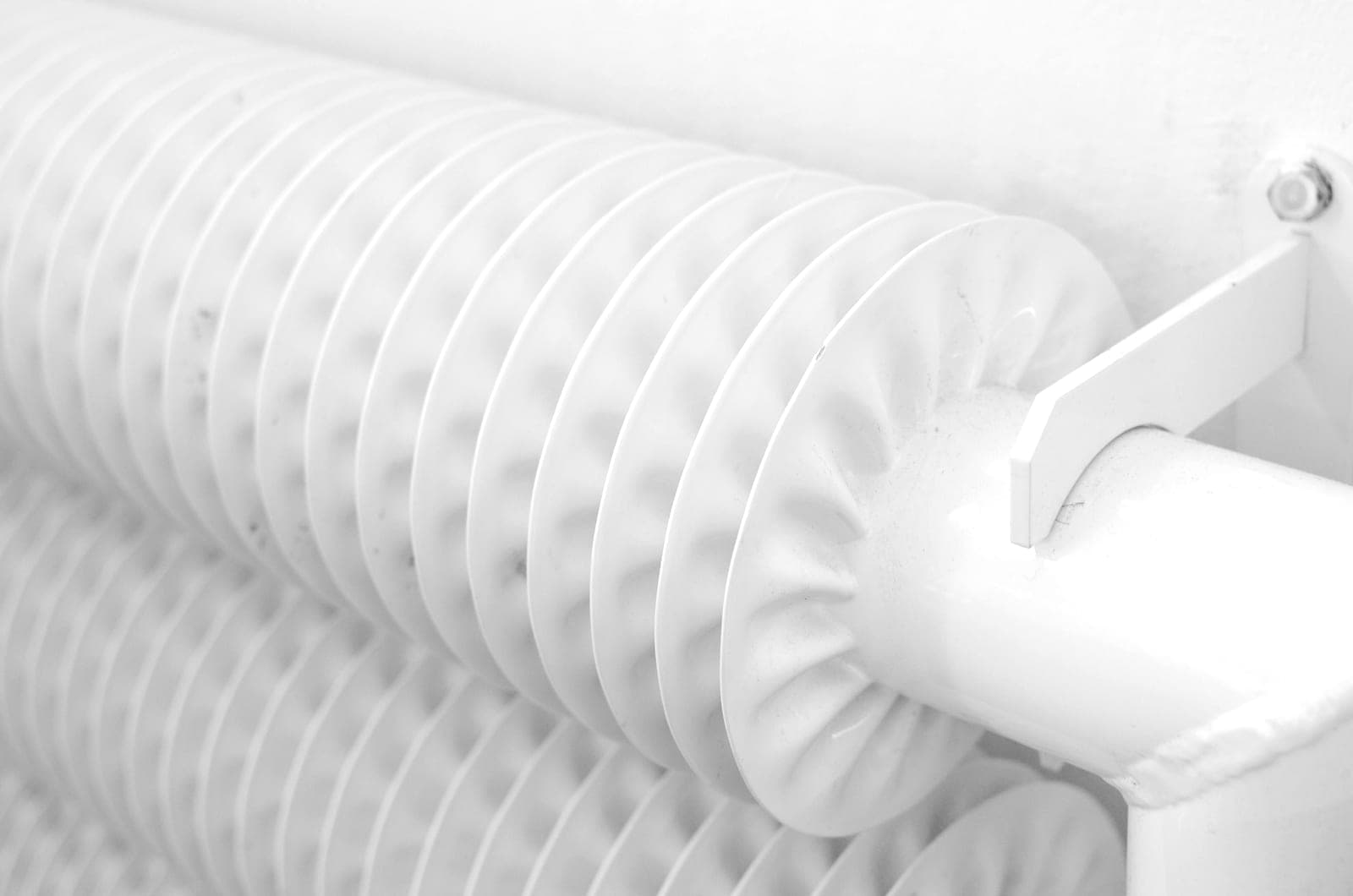
Roundup · Oil-filled
Best oil-filled radiator heaters
The quietest type there is, and the one with the most marketing to strip away. Four picks, silence first.

Roundup · Budget
Best budget space heaters
A $23 heater makes the same heat as a $460 one. Here is what the money actually buys, and what it does not.


Roundup · Infrared
Best infrared space heaters
Heats you, not the air — which is why it wins in drafty rooms and loses behind the sofa.
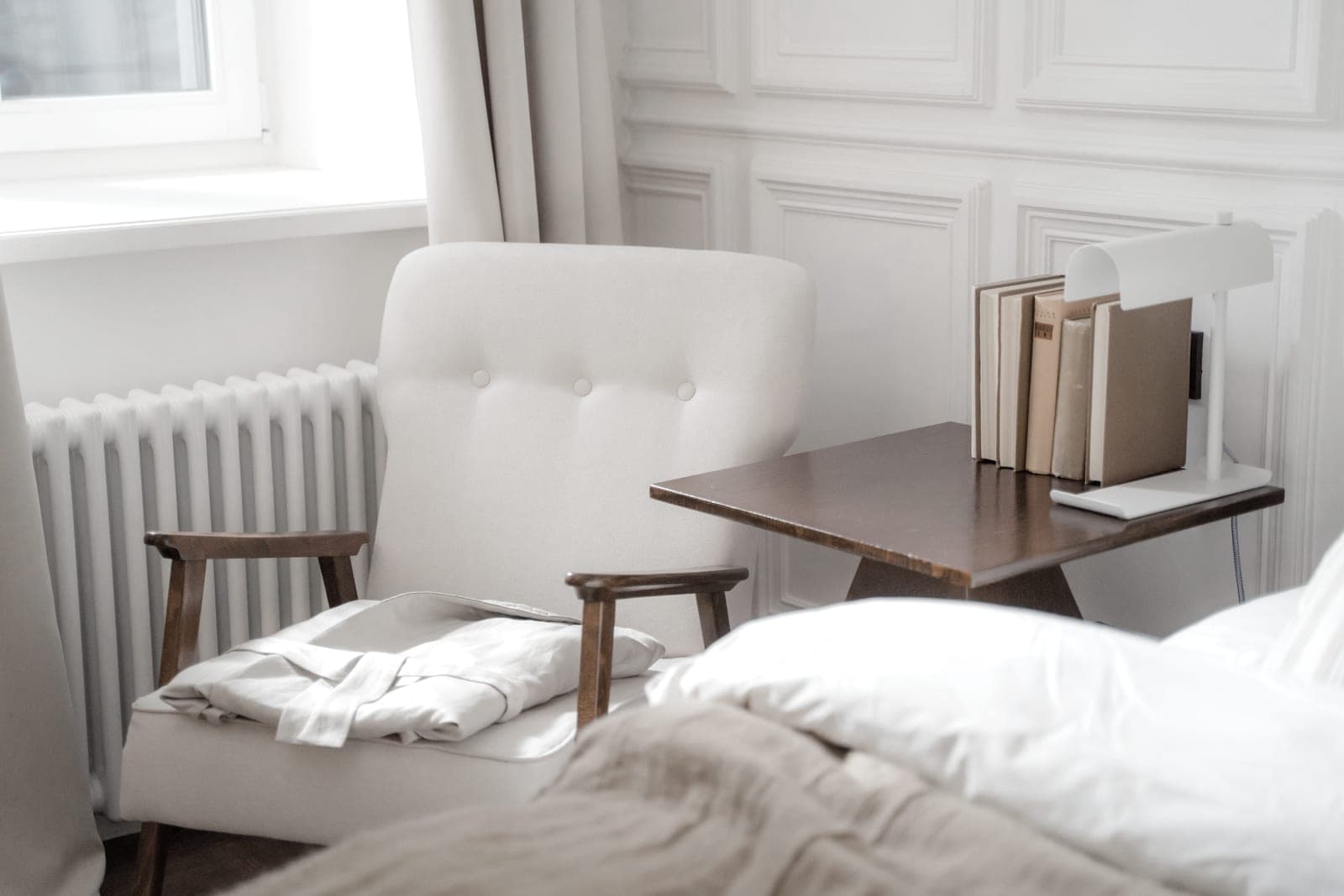
Roundup · Ceramic
Best ceramic space heaters
The default type, and usually the right one. Four picks, and the rare coverage claim that survives the math.
Roundup · Thermostat
Best space heaters with a thermostat
The only feature that actually cuts the bill, because it is the only one that turns the heater off.
Roundup · Apartment
Best space heaters for an apartment
Chosen for a lease, a shared breaker panel and a neighbor through the wall — not for a floor plan.

Roundup · Smart
Best smart and Wi-Fi space heaters
Wi-Fi does not cut the bill; a schedule does. Three picks that publish a model number — and most of this category does not.

Roundup · Tower
Best tower space heaters
Tall, narrow and light is the shape that falls over. Ranked on which makers publish a tip-over switch.
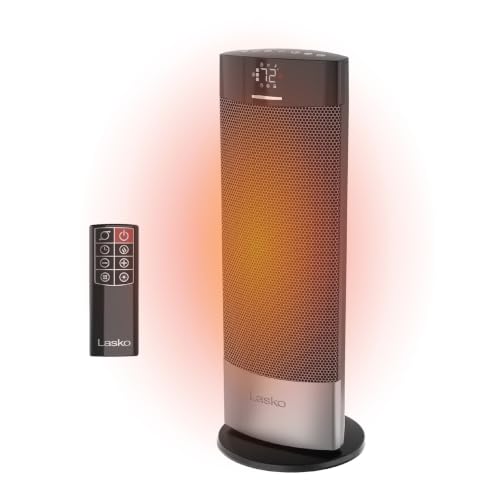
Roundup · Oscillating
Best oscillating space heaters
Sweeping spreads a fixed 1,500 W more evenly and more slowly. When that helps, and the one unit that sweeps vertically.
Roundup · Sunroom
Best space heaters for a sunroom
Glass on three sides means the 1.5x correction. One plug-in heater runs out at about 100 sq ft.
Roundup · Remote
Best space heaters with a remote
A remote is worth what it can change. Ranked by how much control it actually hands you.
Roundup · 240 V unit heaters
Best 240 V garage unit heaters
5,000 to 7,500 W, hardwired. The draw, the breaker each one needs, and four units whose manuals we read.


Roundup · Brands
The best space heater brands, ranked on what they publish
15 brands scored on three things they either publish or do not: a warranty, a safety listing, a thermostat set-point.

Roundup · Freeze protection
Best space heaters for freeze protection
Holding 40°F unattended for months is not room heating. Ranked on set-point, moisture rating and the fan.

Roundup · 1,500 W
Best 1,500 watt space heaters
1,500 W is a cap, not a feature. Identical heat, identical cost — so what is left to choose on?
Roundup · Living room
Best space heaters for a living room
You sit still for hours, the room has no fourth wall, and the floor is full of feet. Picked on those three.
Roundup · Low wattage
Best low-wattage space heaters
150 W warms a person; 600 W holds about 60 sq ft. The picks, the amps, and what each wattage honestly covers.


Guide · How to choose
How to choose a space heater
Size the room, decide room-or-person, then type, thermostat, cutoffs and shape — in that order, with a rule at each step.
Questions people actually ask
What is the best space heater?
For most rooms, a 1,500 W ceramic or fan-forced heater with a digital thermostat, a timer and a tip-over cutoff. Which specific unit depends on room size and whether you need silence — no single model wins every case, because every plug-in heater delivers identical heat.
Are expensive space heaters worth it?
Not for heat. Every plug-in heater is capped at 1,500 W and costs the same per hour to run. A premium price buys control precision, build quality, quietness, warranty and sometimes a second appliance — never more warmth.
How do you pick these without testing them?
We compile the manufacturer's published specifications, compute the electrical load and running cost from the rated wattage, check whether a safety listing is published, and rank on fit for a stated room size. The full method is on our methodology page, including what we do not do.
The other sections
- Room Size
Square feet to watts, with the insulation and ceiling-height corrections the rule of thumb leaves out.
- Running Cost
Cost per hour, per day and per month — computed from your wattage and a published electricity rate.
- Safety
Federal fire statistics with citations, the UL and ETL marks explained, and the circuit math nobody publishes.
- Types
Ceramic, infrared, oil-filled and micathermic — what genuinely differs once you accept the cost is identical.
- Reviews
Model write-ups from published specs: computed cost per hour, circuit load, coverage and certification status.