Safety · Carbon monoxide
Do space heaters produce carbon monoxide?
For an electric heater the answer is a flat no, and the reason is worth understanding — because it is the same reason it cannot be made to produce any.
Safety · Carbon monoxide
For an electric heater the answer is a flat no, and the reason is worth understanding — because it is the same reason it cannot be made to produce any.
No. An electric space heater produces no carbon monoxide, because carbon monoxide comes from burning a fuel and an electric heater burns nothing. Every heater on this site is electric. Fuel-burning heaters — propane, kerosene, natural gas — do produce it, and unvented ones release it into the room.
Carbon monoxide is a product of incomplete combustion: a carbon-containing fuel burns without enough oxygen to convert all its carbon to carbon dioxide, and the remainder leaves as CO. That mechanism needs three things — a carbon fuel, oxygen and ignition.
An electric heater has none of them. It passes current through a resistive element, the element gets hot, and the heat leaves by radiation and convection. There is no fuel, no flame, no exhaust and no flue. There is no pathway by which it could produce carbon monoxide, which is why this is one of the few safety questions with a categorical answer rather than a probabilistic one.
That applies to every type covered on this site equally: ceramic, infrared quartz, oil-filled radiators, micathermic panels and fan-forced units. The oil in an oil-filled radiator is a sealed heat-transfer fluid, not a fuel — it is never burned and never consumed.
Three reasons, and they are all reasonable.
Ruling out carbon monoxide does not make an electric heater risk-free; it moves the risk somewhere else entirely. The federal data is unambiguous about where.
The U.S. Fire Administration records an annual average of 1,100 portable heater fires in residential buildings, causing 65 deaths, 150 injuries and $51 million in property loss (2017–2019). The leading factor contributing to ignition in residential heating fires is misuse of material or product at 34% — a category the report explicitly describes as including a heat source placed too close to combustibles. The full figures, with sources.
In other words: the thing to worry about with an electric heater is not the air, it is the curtain. Three feet of clearance in every direction, and turning it off when you leave the room or go to bed, address the risk that actually exists.
It is worth being explicit about a scope decision that is doing real work for you here. Every product on this site is electric, and that is not an accident of what we happened to review — it is a boundary we drew deliberately.
Fuel-burning heaters are a genuinely different safety category. They involve combustion products, ventilation requirements, fuel storage and clearances that depend on the specific appliance and the specific installation, and they carry a hazard — carbon monoxide — that electric units simply do not have. Covering them responsibly would require expertise we have said plainly we do not hold, and covering them irresponsibly is how a site gets someone hurt.
So the practical consequence for a reader: if you are on this site, carbon monoxide is not your problem. Every unit in our registry, every pick in every roundup, and every figure in every cost table is electric resistance heating. You can spend the attention you were about to spend on air quality on clearance instead, which is where the actual risk is.
Ruling out carbon monoxide does not mean an electric heater never gives you a reason to unplug it. It gives you different reasons, and they are worth knowing because none of them involves an alarm going off.
Yes — but for reasons that have nothing to do with your electric heater. Almost every home has some potential CO source: a gas furnace or boiler, a gas water heater, a gas range, a fireplace, an attached garage where a car is started. A CO alarm is protecting you from those, and it should be there whether or not you own a space heater.
The other question people ask about heaters and air has the same shape and the same kind of answer: do space heaters dry out the air? — no, because nothing in an electric heater removes water from a room, though the room genuinely does feel drier and there is a reason for that.
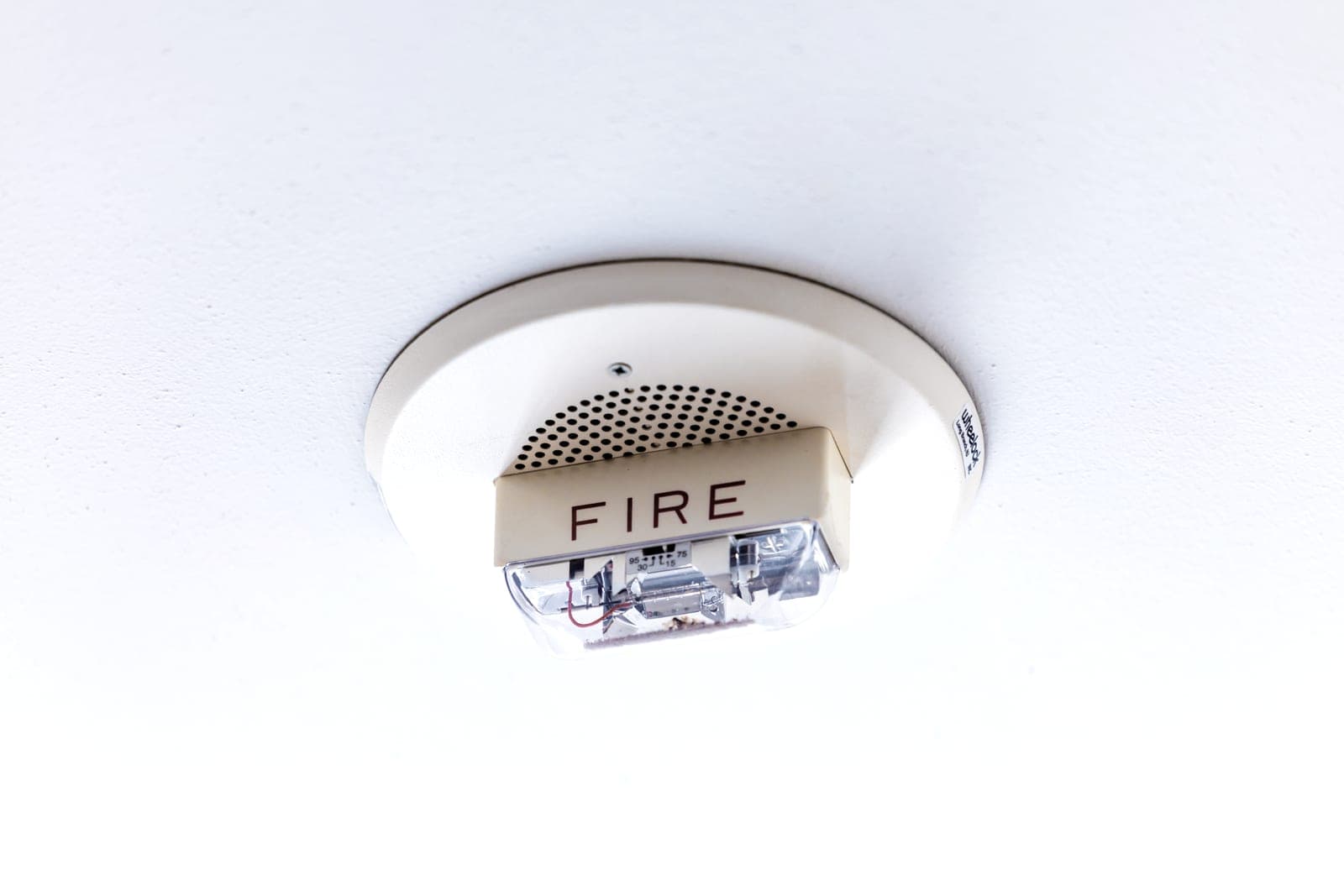
The alarm worth checking because you have a space heater is the smoke alarm. The USFA's heating-fire data records smoke alarms present in only 54% of nonconfined residential heating fires, with none present in 24%. That is the cheapest gap on this page to close, and it is not a heater purchase.
No. Carbon monoxide is a product of burning a carbon-based fuel, and an electric heater burns nothing — it passes current through a resistive element. There is no combustion and therefore no pathway to produce it.
No. The diathermic oil is a permanently sealed heat-transfer fluid, not a fuel. It is never burned and never consumed, and the heater is electric like every other type covered here.
Almost always manufacturing residue and dust burning off a hot element during the first few hours of use. It is dust on a hot surface rather than combustion of a fuel, and it fades. A persistent burning or electrical smell after that is a reason to stop using the unit.
You should have one regardless, because of gas furnaces, water heaters, ranges, fireplaces and attached garages. An electric space heater adds no carbon monoxide risk. The alarm worth checking because of the heater is the smoke alarm.
Fuel-burning ones: propane, kerosene and natural-gas heaters. Unvented models release combustion products directly into the room, which is why they should not be used in small sealed spaces such as an RV, a tent or a closed garage.
1,100 portable heater fires and 65 deaths a year — the federal figures, dated and cited.
The official guidance, the data behind it, and the timer setup that gets you warmth without unattended running.
A 1,500 W heater is half a 30 A pedestal. The amp arithmetic first, then the units with a real low setting.
Silent and slow against fast and audible — and what the thermal-mass argument is really worth.
A two-car garage needs about 9,000 W. An outlet gives you 1,500. What to do instead.
Tip-over, overheat, child lock, cool-touch, wall mounting — what each mechanism actually prevents.
No heater removes water from a room. Warming air lowers relative humidity — the feeling is real, the cause is not the heater.
Every heater here is electric, so the outage stops it. What a generator and a battery each have to be rated for.