Running cost
What a space heater really costs to run
One formula, one stated electricity rate, and every number on this site derived from both. No “about 20 cents an hour” with nothing behind it.

Start hereIf you only read one page here, make it cost per hour. Everything else in this section is that number multiplied by something.
Running cost is kilowatts times hours times your price per kilowatt-hour. A 1,500 W heater is 1.5 kW, so one hour at the current U.S. average residential rate costs about 27.5 cents, eight hours costs about $2.20, and running it 8 hours a day for a month costs about $66.
The rate behind every figure on this site
18.34¢per kilowatt-hour
U.S. residential average for June 2026. EIA, Electric Power Monthly, Table 5.6.A, released August 26, 2026.
This is the most recent month EIA has published. Residential rates move seasonally and vary enormously by state — from roughly a dime per kilowatt-hour in parts of the South to more than 40¢ in Hawaii — so treat it as a national reference point, not as your rate.
The formula, in full, once
Cost = (watts ÷ 1,000) × hours × price per kWh. That is the entire model. There is no efficiency factor, no derating, no fudge — for a resistive electric heater running at full output it is exact, because essentially all of the electricity becomes heat in your room. A heater is one of the very few appliances where the arithmetic is this clean.
| Wattage | Per hour | 1 h | 4 h | 8 h |
|---|---|---|---|---|
| 750 W | 13.8¢ | $0.14 | $0.55 | $1.10 |
| 1,000 W | 18.3¢ | $0.18 | $0.73 | $1.47 |
| 1,500 W | 27.5¢ | $0.28 | $1.10 | $2.20 |
Computed at 18.34¢/kWh — the U.S. residential average for June 2026 (EIA, Electric Power Monthly, Table 5.6.A, released August 26, 2026). Your rate is on your own bill; substitute it and the arithmetic still holds. Figures assume full output for the whole period.
Two things about that table are worth saying out loud. First, the numbers are computed at the rate published above, from a named source with a date on it — swap in the rate from your own bill and the same arithmetic holds. Second, they assume the heater runs at full output for the whole period, which is the worst case. A heater with a working thermostat cycles: once the room is at temperature it draws nothing until it drops again. In a well-sized room that duty cycle is often 40–60%, which is the single biggest lever you have on the bill.
The question everybody asks, and the honest answer
“Which space heater is cheapest to run?” is the most-searched question in this category and the most badly answered. Every resistive electric heater converts essentially 100% of its input electricity into heat. A ceramic tower, an oil-filled radiator, an infrared quartz unit and a bare fan heater, all at 1,500 W, all produce the same heat and all cost identically per hour to run.
Anyone selling you an element that is cheaper to run is selling you physics that does not exist. What genuinely differs is thermostat accuracy (a heater that overshoots by 3°F wastes every hour of that overshoot), wattage choice (a 750 W setting costs half of 1,500 W and may be all a small room needs), and runtime (a timer that shuts off at 2 a.m. is worth more than any element technology). The full argument is here.
Where a space heater actually saves money
Zone heating works when you turn the main system down while the heater is on. If your furnace thermostat stays at 70°F and a space heater runs in the study on top of it, you have added cost, not moved it. If you drop the house to 62°F and heat the one room you are in, you can genuinely come out ahead — and how far ahead depends on your fuel, which is why space heaters vs central heat is a comparison of prices per delivered BTU rather than a slogan.
The other place the arithmetic turns is time. Heating a person is far cheaper than heating a room: a heated blanket draws on the order of 100 W, which is about a fifteenth of a space heater, and for a stationary evening on the sofa that is a comparison worth running.
Pages in this section
- Cost per hour — the calculator and the full wattage-by-rate grid.
- Cost per month, including the 24/7 case people ask about most.
- How many watts a space heater uses — where the 750 / 1,000 / 1,500 W tiers come from.
- The cheapest heater to run — the correction, not a product pick.
- Comparisons: central heat, heat pump, baseboard, heated blanket.
- Running one in a power outage — what a generator and a battery each have to be rated for, and why 1,500 W is the wrong load for either.
Everything in running cost

Calculator · Cost
How much a space heater costs to run per hour
Cost per hour for any wattage at any rate — the calculator, the formula and the full grid.
Comparison · Cost
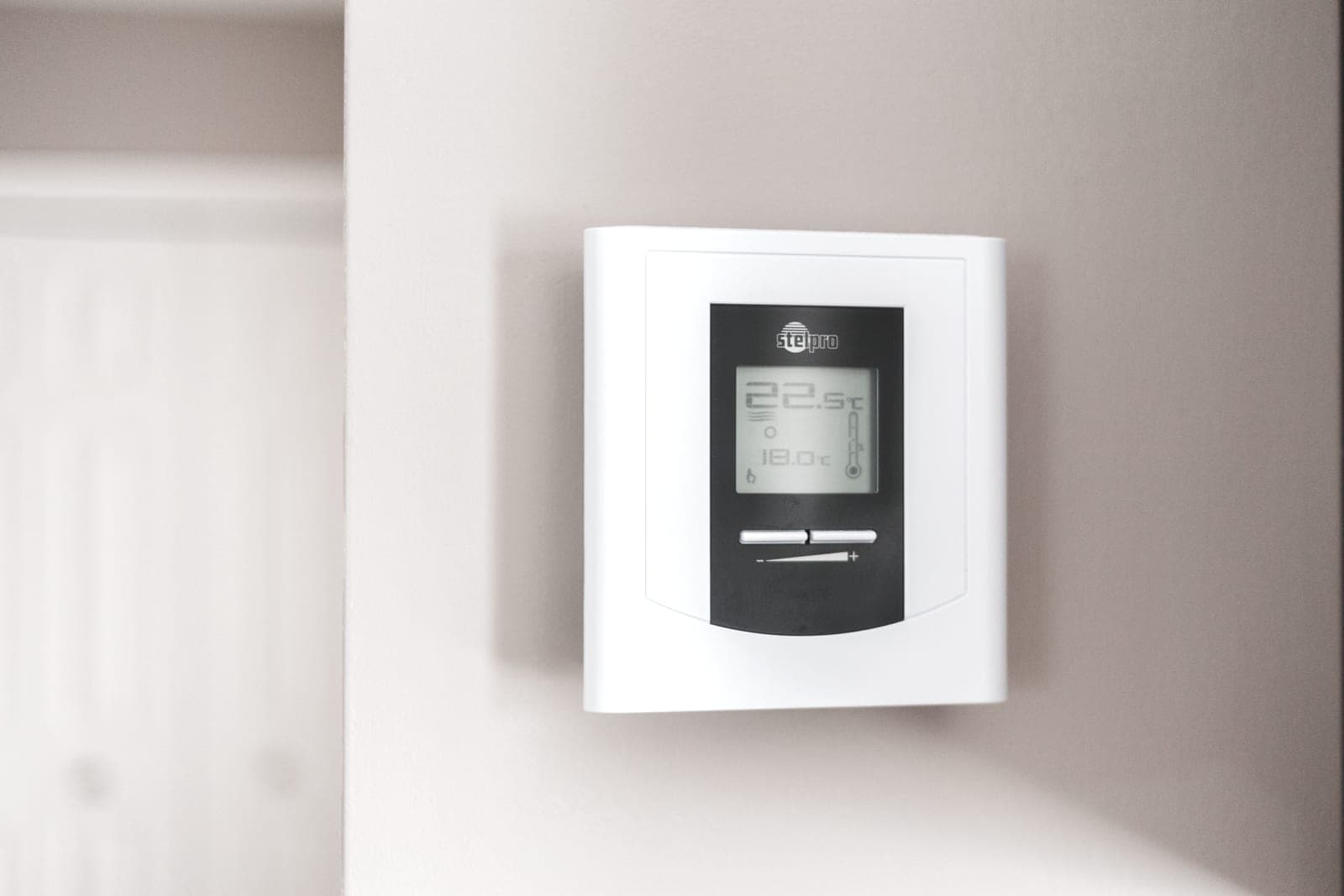
The cheapest space heater to run
A correction, not a product pick: equal wattage means equal cost, and here is what actually varies.

Comparison · Cost
Space heater vs central heat: which actually costs less
Per-BTU arithmetic for gas, oil and electric — and the one condition that decides the answer.
Comparison · Cost
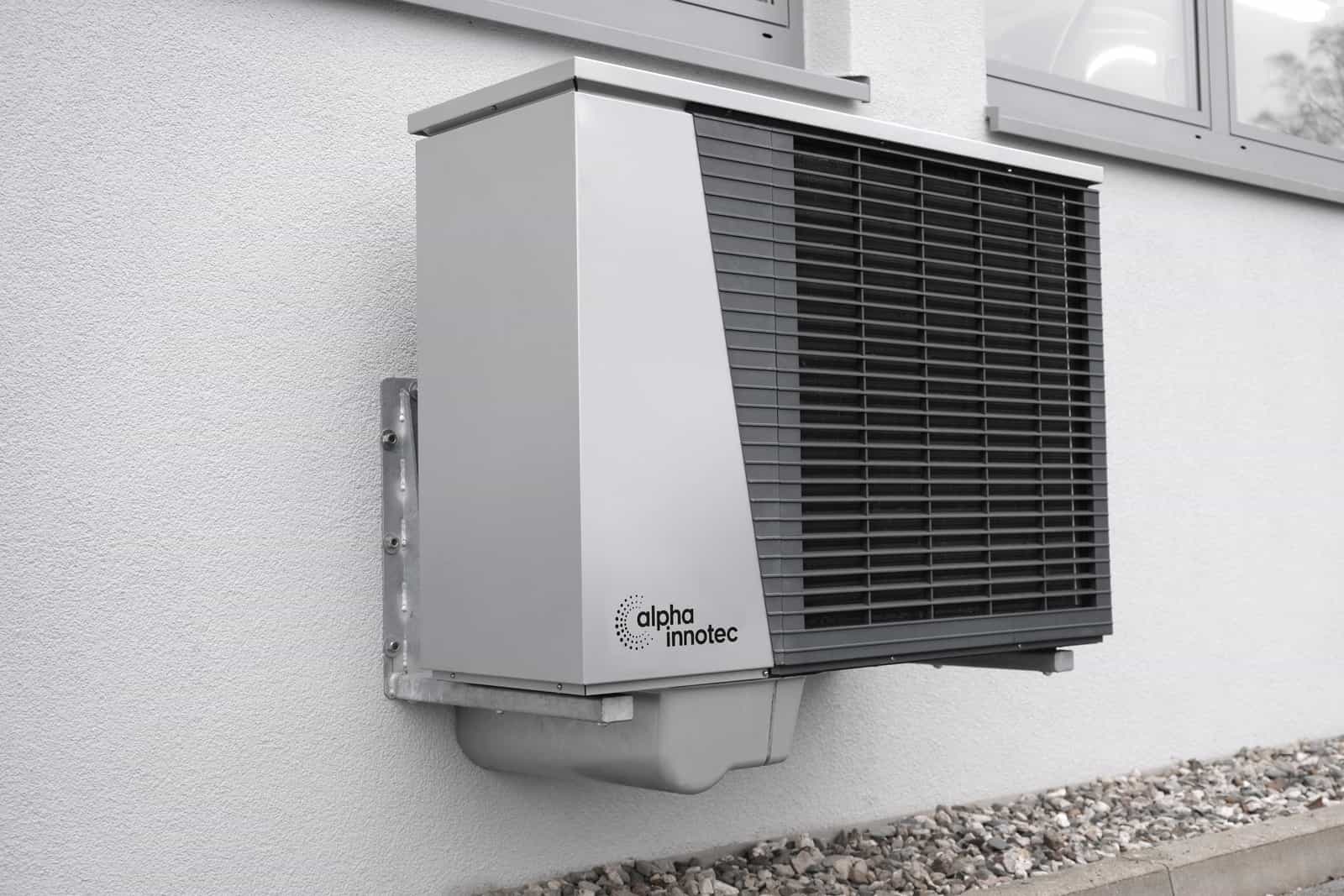
Space heater vs heat pump
The only comparison where a space heater loses on physics: 1 unit of heat per unit of power versus 2–4.
Comparison · Cost
Space heater vs electric baseboard heat
Same physics, same cost per kWh — so the comparison is zoning, control and wattage.

Comparison · Cost
Space heater vs heated blanket
About 100 W against 1,500 W — when heating the person beats heating the room, and when it does not.
Guide · Cost
What a space heater costs per month
The monthly figure at 4, 8, 12 and 24 hours a day — including the 24/7 case, computed.
Guide · Watts
How many watts a space heater uses
Where the 750 / 1000 / 1500 W tiers come from, and why 1500 W is a hard ceiling on a U.S. outlet.
Guide · Certification
ENERGY STAR space heaters do not exist
There is no ENERGY STAR category for portable heaters — and the reason tells you what to check instead.

Guide · Power outage
Can you run a space heater in a power outage?
Every heater here is electric, so the outage stops it. What a generator and a battery each have to be rated for.
Questions people actually ask
How much does it cost to run a 1500 watt heater for 24 hours?
1.5 kW × 24 hours = 36 kWh. At the U.S. average residential rate of 18.34¢/kWh that is about $6.60 a day, or roughly $198 over a 30-day month, if it runs flat out the whole time. A working thermostat will cut that substantially.
Is it cheaper to run a space heater or central heating?
It depends on your fuel and how many rooms you are heating. Heating one room with electricity while the whole-house system is turned down usually wins. Running a space heater on top of an unchanged furnace setting always loses.
Do space heaters use a lot of electricity?
Yes, by household standards. A 1,500 W heater draws more than a refrigerator, a television and a laptop combined. It is one of the largest plug-in loads in a typical home, which is why the running cost is worth computing rather than estimating.
Does turning a space heater down actually save money?
Yes, and proportionally. A 750 W setting costs exactly half of 1,500 W per hour. Unlike many appliances there is no efficiency penalty at part load — half the power is half the heat and half the cost.
Sources
The other sections
- Room Size
Square feet to watts, with the insulation and ceiling-height corrections the rule of thumb leaves out.
- Safety
Federal fire statistics with citations, the UL and ETL marks explained, and the circuit math nobody publishes.
- Types
Ceramic, infrared, oil-filled and micathermic — what genuinely differs once you accept the cost is identical.
- Best Heaters
Roundups organized by room — large, small, bedroom, basement, garage, nursery — each with the math behind the pick.
- Reviews
Model write-ups from published specs: computed cost per hour, circuit load, coverage and certification status.